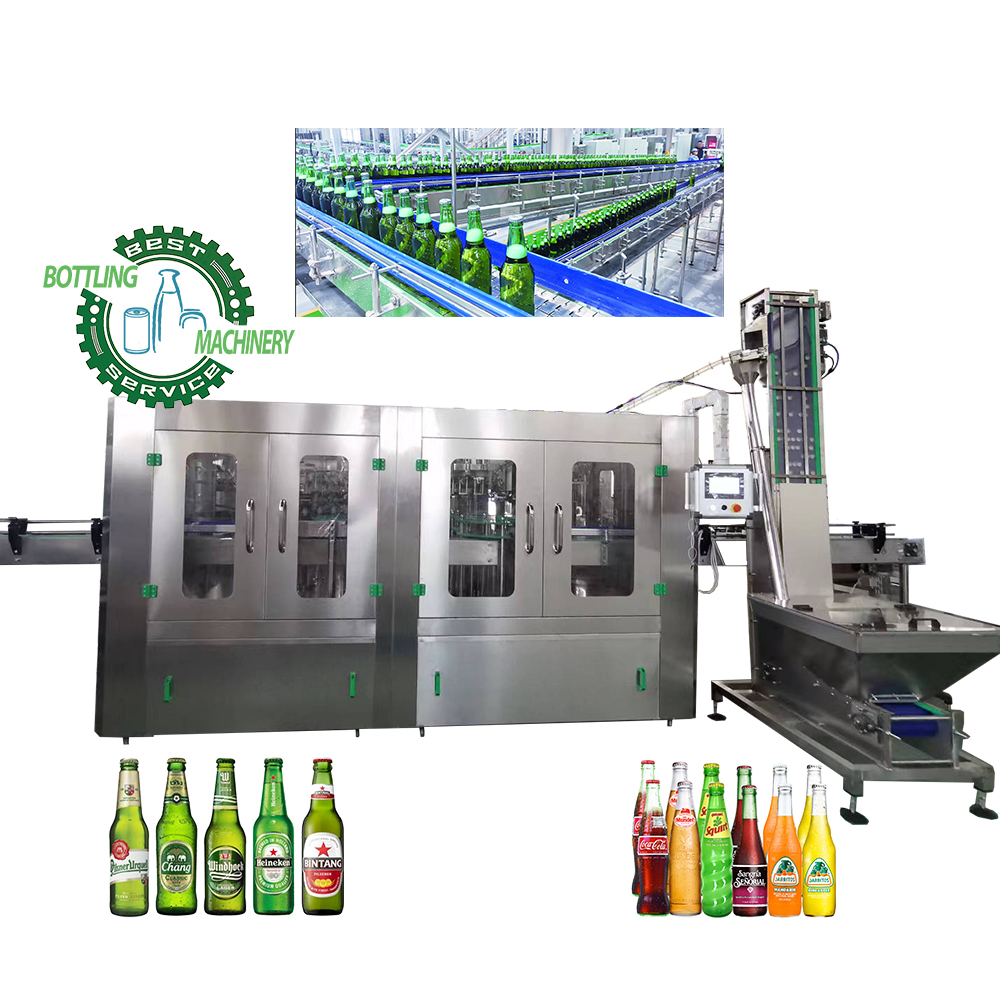
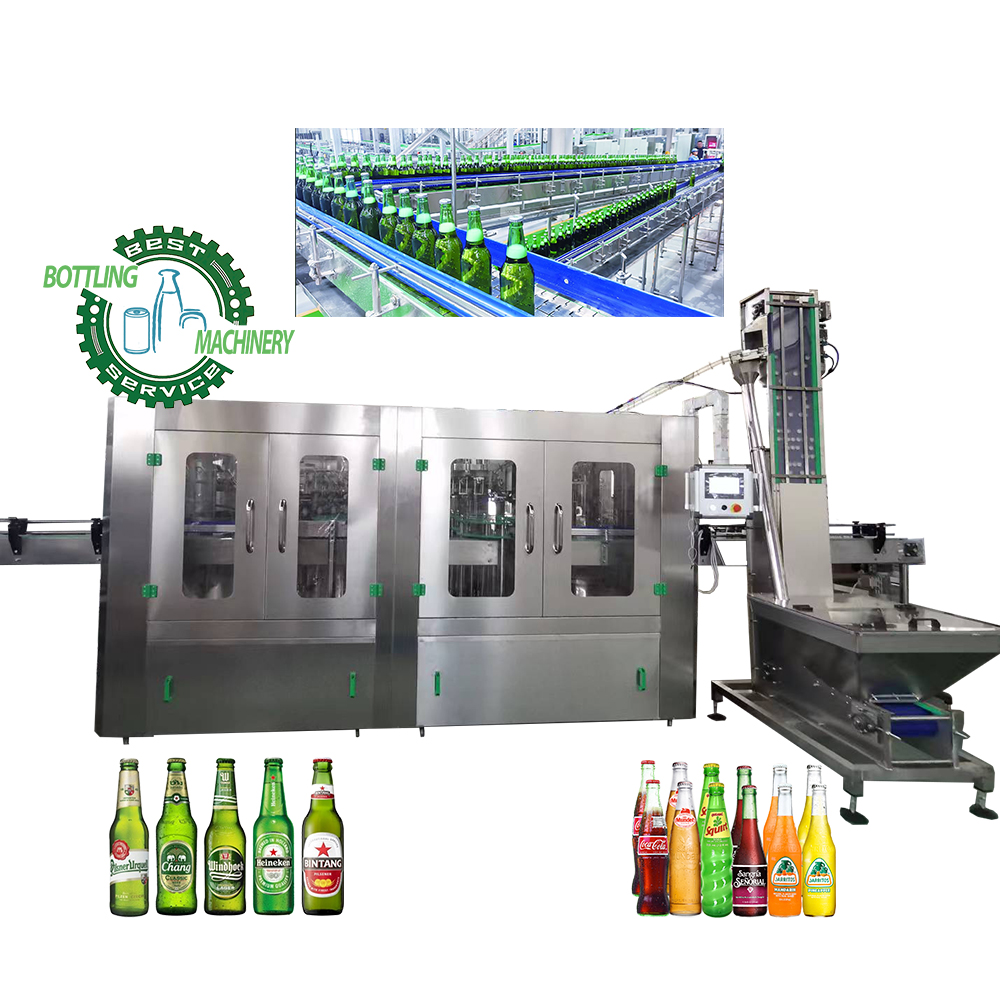
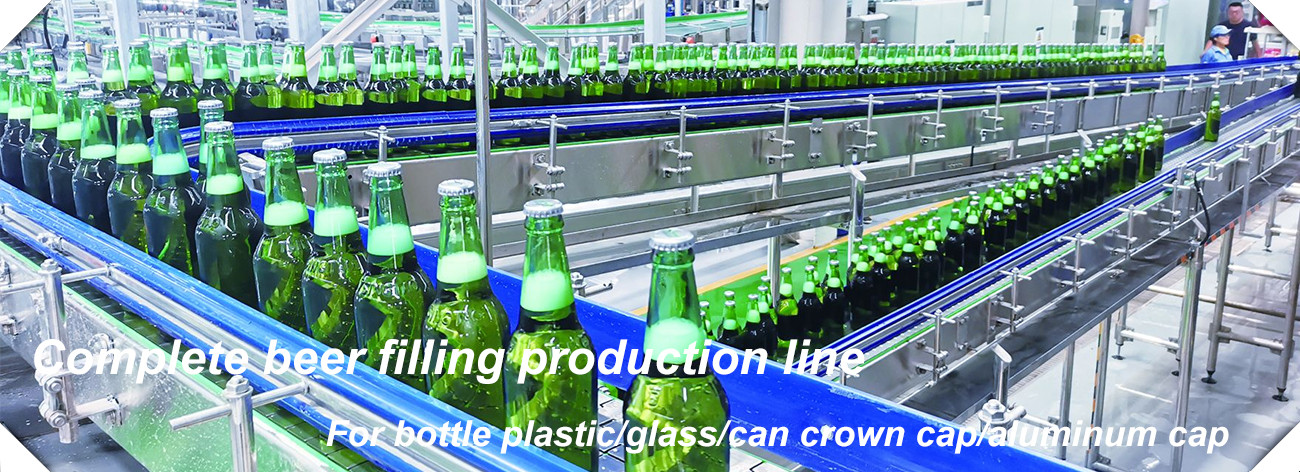
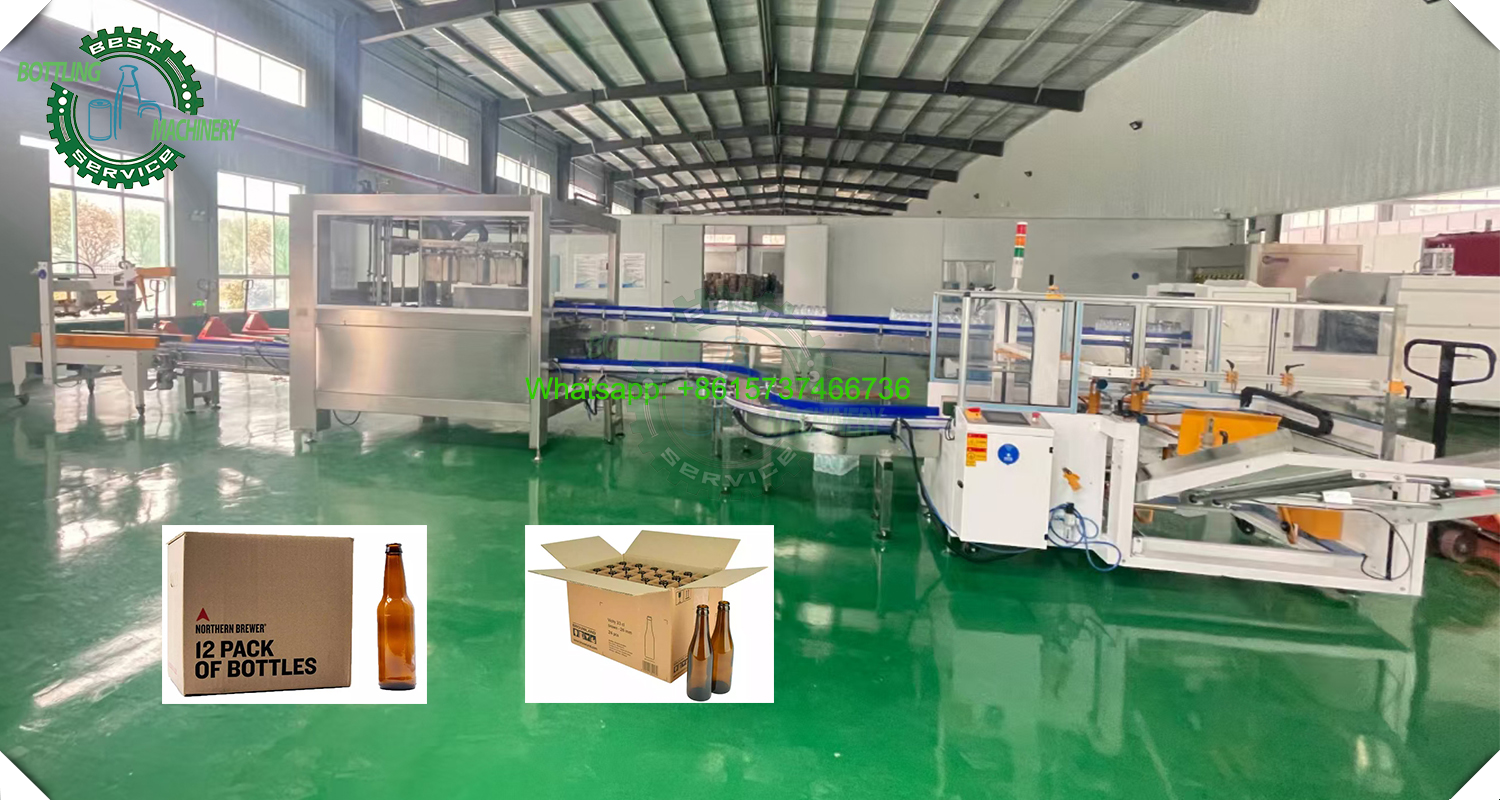
Glass bottle filling packing line for beer or carbonated drink
We provide professional glass bottle filling machines for beer and carbonated beverages. Featuring isobaric filling and secure crown capping, our systems support beer, cola, sparkling water, and soft drinks in glass bottles, from small-scale lines to high-capacity solutions.
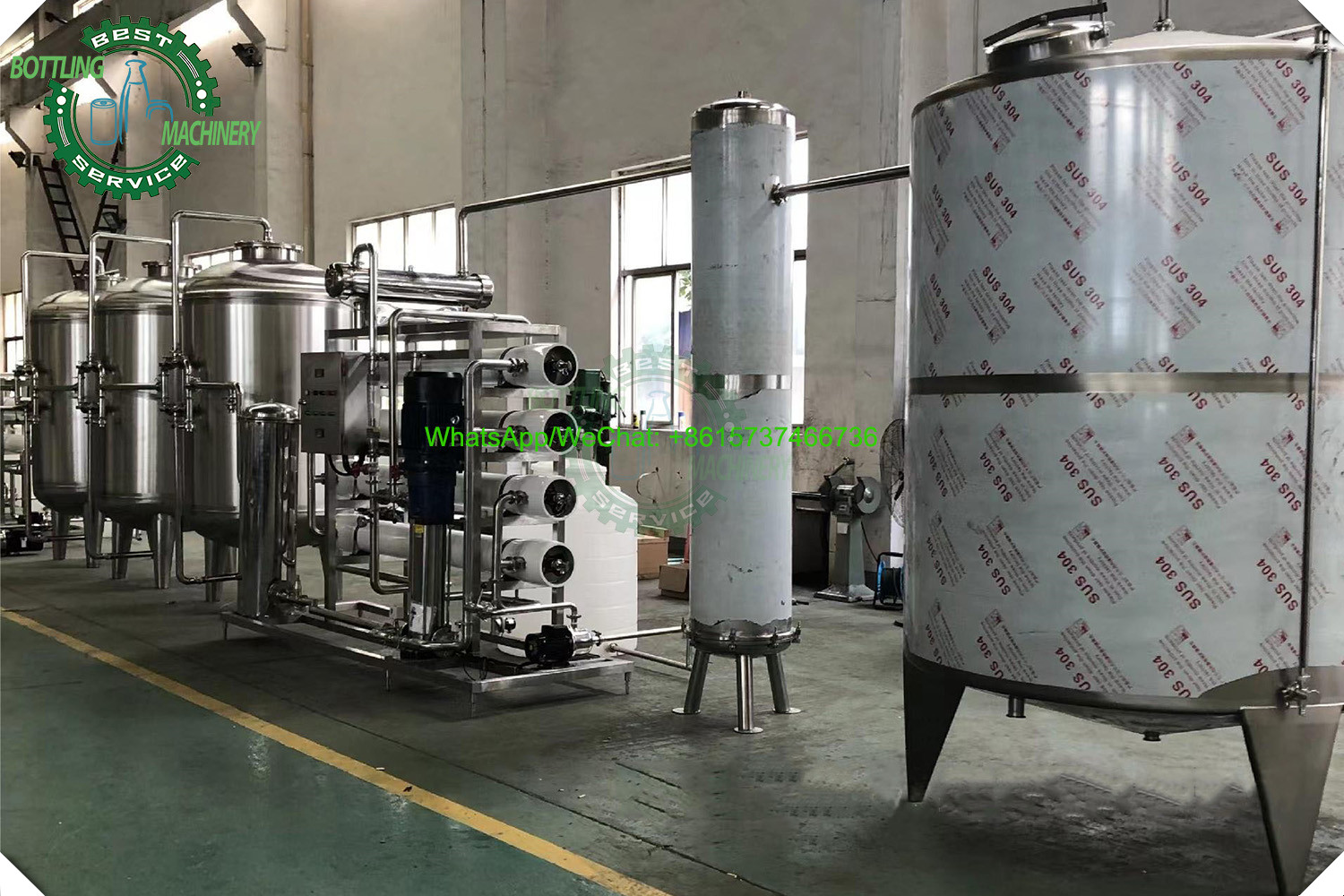
Glass Bottle Filling & Packaging Line for Beer or Carbonated Drinks We provide a complete turnkey solution for glass bottle beer/carbonated drink production, comprising the following integrated components: Water Treatment Plant Beer Brewing Equipment or Carbonated/Soft Drink Processing System Empty Glass Bottle Depalletizer 3-in-1 Glass Bottle Washing, Filling & Capping Machine Glass Bottle Pasteurization Tunnel Glass Bottle Labeling Machine Glass Bottle Carton Packing System Palletizing System (Palletizer, Pallet Dispenser, Stretch Film Wrapper) Water Treatment Systems Categories: Water treatment systems include Reverse Osmosis (RO) systems, Ultrafiltration (UF) systems, Dual Reverse Osmosis (DRO) systems, RO combined with EDI (Electrodialysis), RO with electrolysis for producing weakly alkaline water, and seawater desalination systems. For bottled water filling lines, Reverse Osmosis (RO) water treatment equipment is the standard configuration. Working Principle of Reverse Osmosis: The system applies high pressure to force water through a semi-permeable membrane, effectively removing dissolved salts, organic matter, bacteria, viruses, and other impurities to produce high-purity water. System Components: A complete RO system consists of a raw water tank, quartz sand filter, activated carbon filter, water softener, precision filter, reverse osmosis membrane, UV sterilizer, ozone generator, ozone mixing tower, and a pure water storage tank. Production Capacity: Our systems are available in a wide range of capacities to suit various production scales: 250 L/H, 500 L/H, 1,000 L/H, 2,000 L/H, 3,000 L/H, 5,000 L/H, 8,000 L/H, 10 T/H, 20 T/H, 30 T/H, 50 T/H, and 100 T/H. Pre-Treatment Process Note: In the pre-treatment stage, the quartz sand filter primarily removes suspended solids. The activated carbon filter adsorbs organic matter and, crucially, removes chlorine from the water, which is essential as chlorine can damage RO membranes. The water softener reduces water hardness to prevent scale formation on the RO membrane, a key factor in preserving the membrane's lifespan and performance.
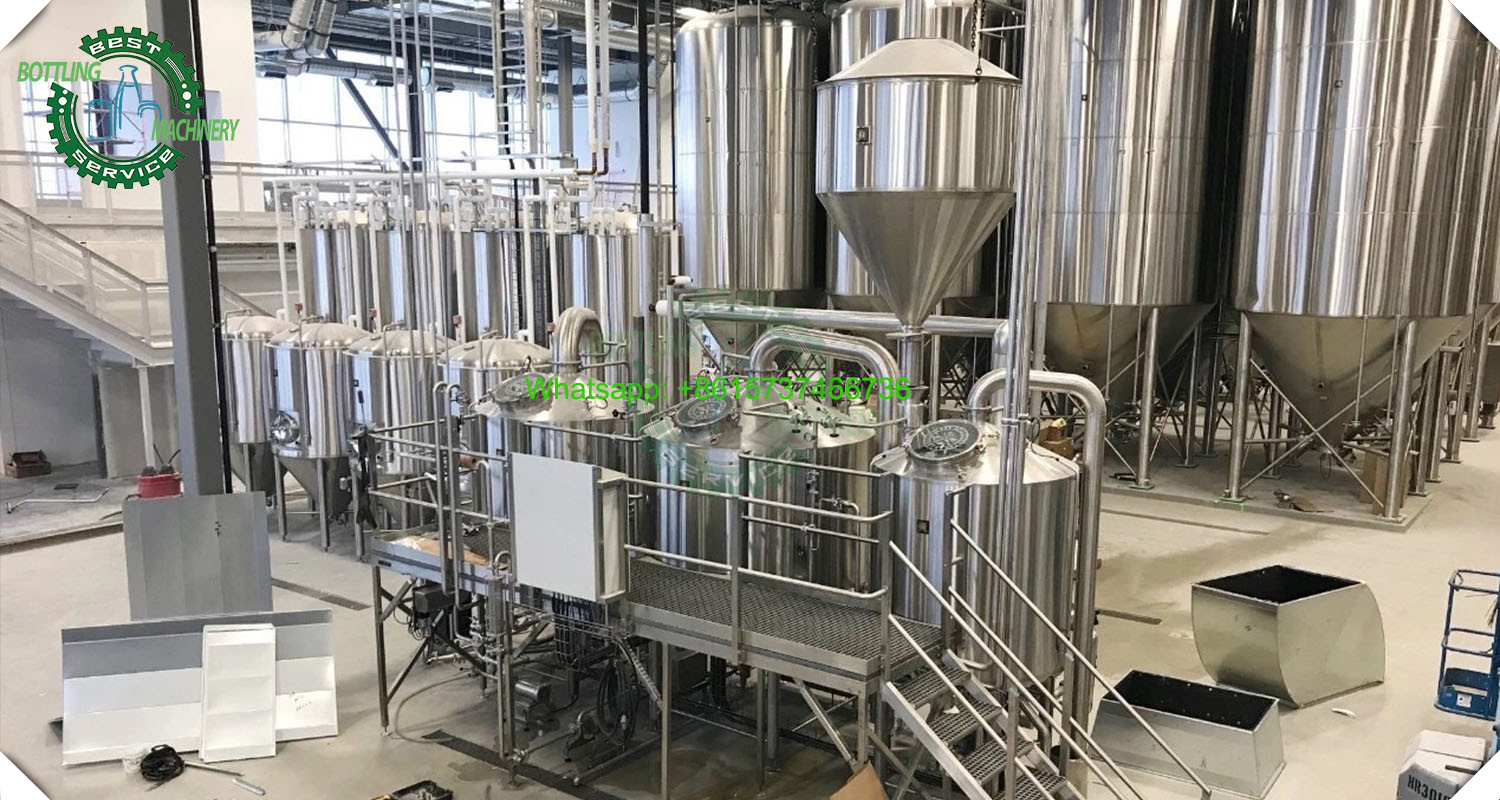
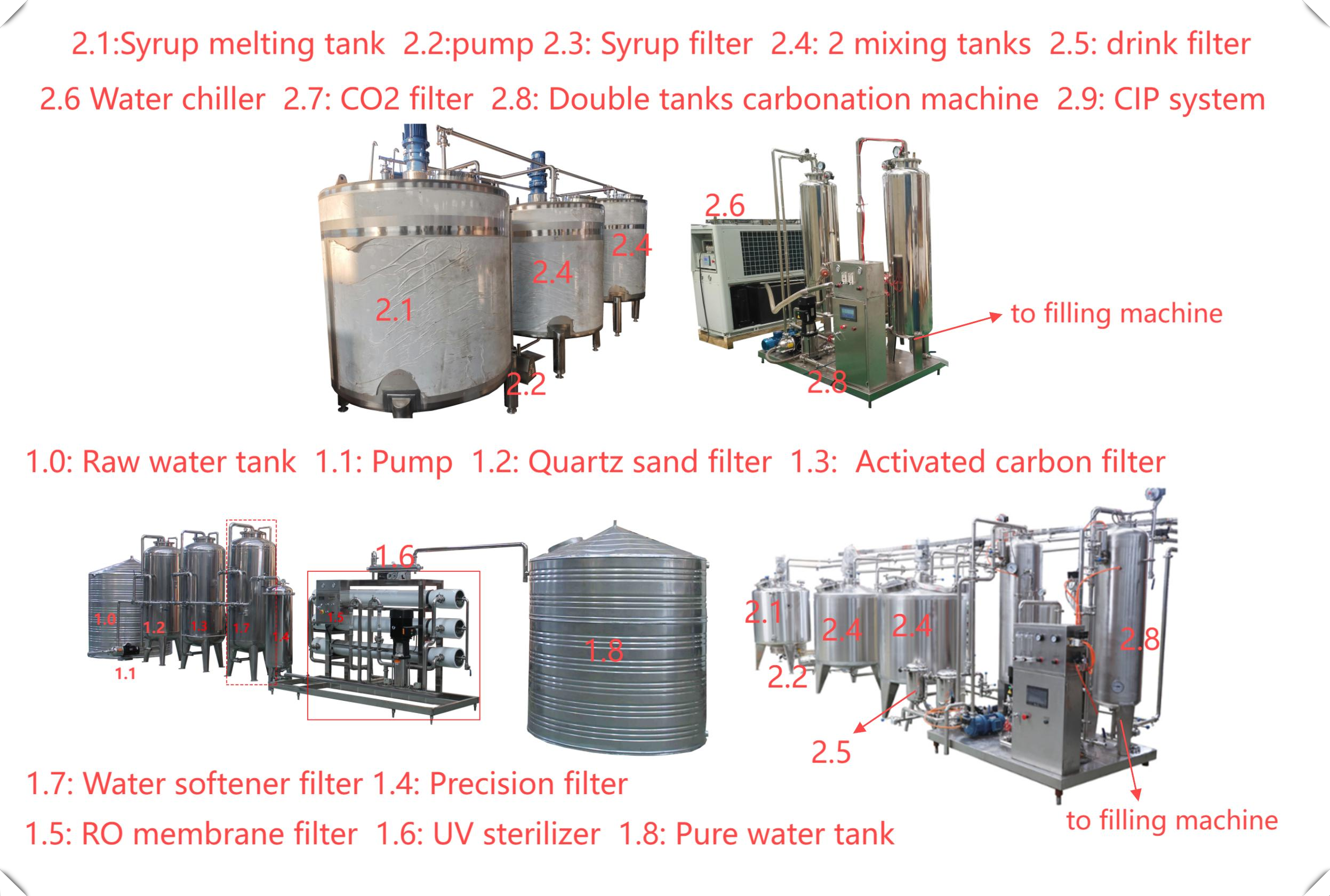
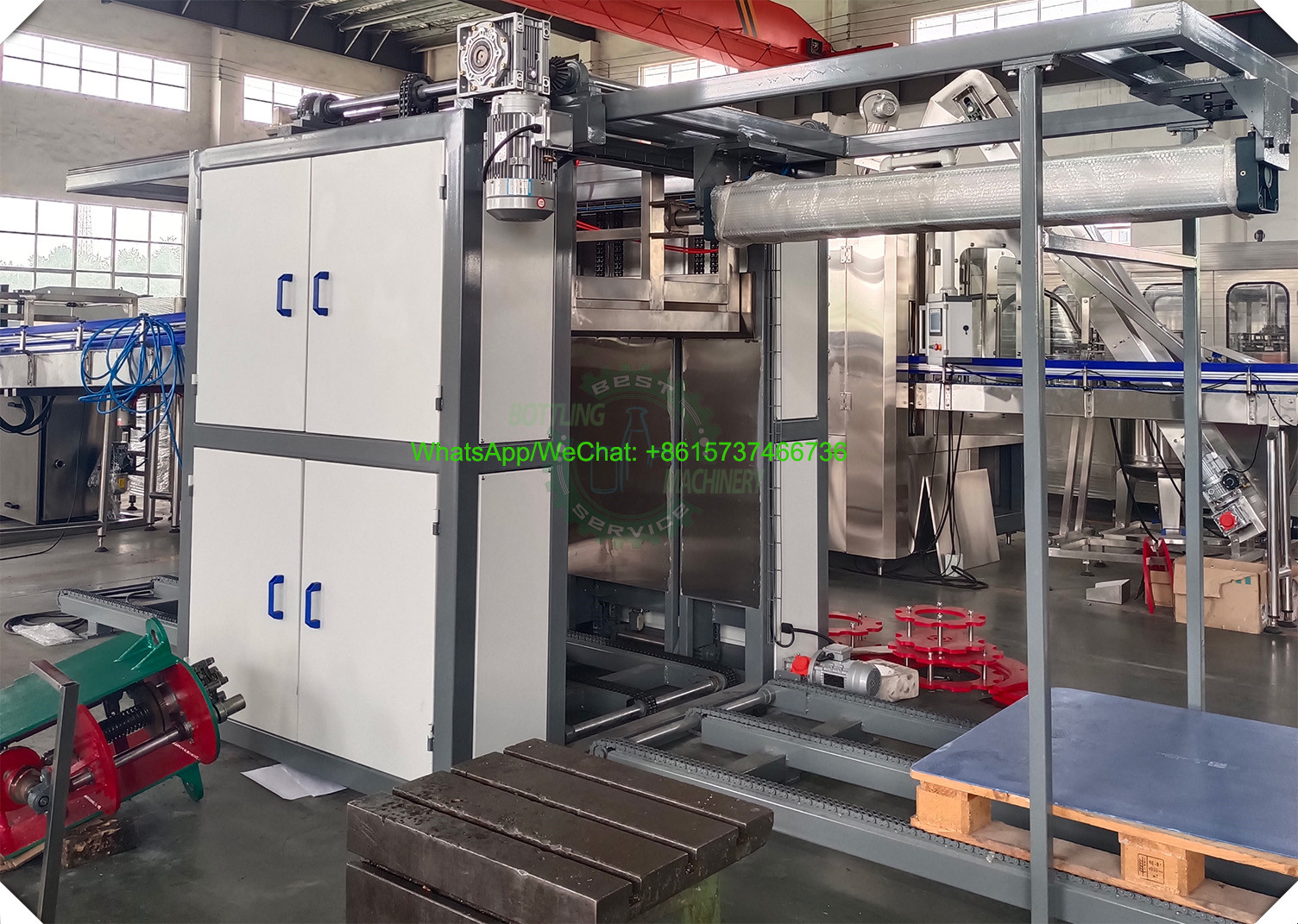
Beer Brewing Production Line 1. Raw Material Processing Equipment Malt Mill: Grinds malt into coarse grist (keeping husks intact) to increase surface area and promote mashing efficiency. 2. Mashing System Mash Tun: Mixes crushed malt with water and activates enzymatic reactions through precise temperature control (45–78°C) to convert starch into fermentable sugars (wort). Lauter Tun: Separates the wort from the spent grains and filters the clarified wort through a false bottom. 3. Boiling & Hop Addition Brew Kettle: Boils the wort (approx. 100°C) to sterilize, evaporate undesirable volatile compounds, and allows for the staged addition of hops to impart bitterness, aroma, and preservative qualities. Whirlpool: Uses centrifugal force to rapidly settle hot trub (proteins, hop residues), improving wort clarity. 4. Wort Cooling Plate Heat Exchanger: Rapidly cools wort from around 90°C to the required fermentation temperature (8–25°C, depending on beer style) using a refrigerant (ice water or glycol). 5. Fermentation System Fermentation Tank: Yeast is added for primary fermentation, converting sugars into alcohol and CO₂. This process lasts 5–14 days (typically 18–22°C for ales, 8–12°C for lagers). Unitank: A combined fermentation and conditioning tank. Its conical bottom facilitates yeast sedimentation and recovery, suitable for modern, efficient brewing. 6. Maturation & Post-Processing Conditioning Tank: Provides a period of cold maturation (0–4°C) for several weeks to months, promoting flavor integration, CO₂ saturation, and precipitation of solids. Centrifuge/Filter: Removes residual yeast and protein haze to improve beer clarity and stability (this step may be omitted for styles where haze is desired). 7. Auxiliary Equipment Yeast Propagation System: Cultivates highly active yeast strains to ensure efficient fermentation and flavor consistency. CIP Cleaning System: Automatically circulates cleaning and sanitizing agents through closed equipment (e.g., mash tuns, fermentation tanks) to ensure hygiene and safety. Automation Control System (PLC/SCADA): Monitors and controls key parameters (temperature, pressure, flow rate) to achieve precise process management throughout mashing and fermentation. Core Process Summary: Malt Crushing → Mashing → Filtration → Boiling → Whirlpool → Cooling → Fermentation → Maturation → Filtration → Bright Beer TankThe carbonated/soft drink processing section comprises the following key components: syrup melting tank, syrup filter, cooling tank, mixing tank, beverage filter, water chiller, carbonator, CO₂ filter, and a CIP (Clean-in-Place) system Please view the video about complete glass bottle filling line: https://youtu.be/AJSVRpzJMTgPlease check the video of empty glass bottle depalletizer: https://youtu.be/-LMHS7rKVHc Empty Glass Bottle Depalletizer The depalletizer is primarily designed for unloading empty glass bottles. It lifts empty cans and bottles stacked on a pallet, layer by layer from bottom to top, and pushes them onto the conveyor. It is an essential and ideal piece of equipment for large and medium-sized beverage and canned food manufacturers. (Suitable for glass bottles, aluminum bottles, etc.) Working Principle: A forklift stacks the empty cans onto a pallet conveyor, which transports them to the pallet lifting platform of the main unit. The lifting platform raises the positioned pallet of empty containers to the unloading height. After the empty containers are unloaded, the empty pallet is lowered and placed onto a conveyor. All upward and downward movements are controlled by a self-locking lifting system, with separately adjustable speeds to meet operational needs. Unloading the empty cans is driven by a motor that pushes the entire layer onto a mesh conveyor, then returns to the ready position to continue pushing out the next layer. All actions are positioned and controlled by photoelectric switches. After unloading, the empty pallets are conveyed and collected at the rear of the machine for subsequent removal by forklift or manual handling. Flexibility: The direction of stacking, the direction of container discharge, and the position of the control panel can be flexibly changed according to user requirements, provided the user supplies a corresponding layout plan. Features: This machine replaces manual container handling, improving production efficiency and automation levels. It features high precision, smooth container discharge, and continuously adjustable production speed. The machine utilizes a variable frequency drive for motor speed control, with actions centrally managed by a PLC. All electrical and pneumatic components are imported.
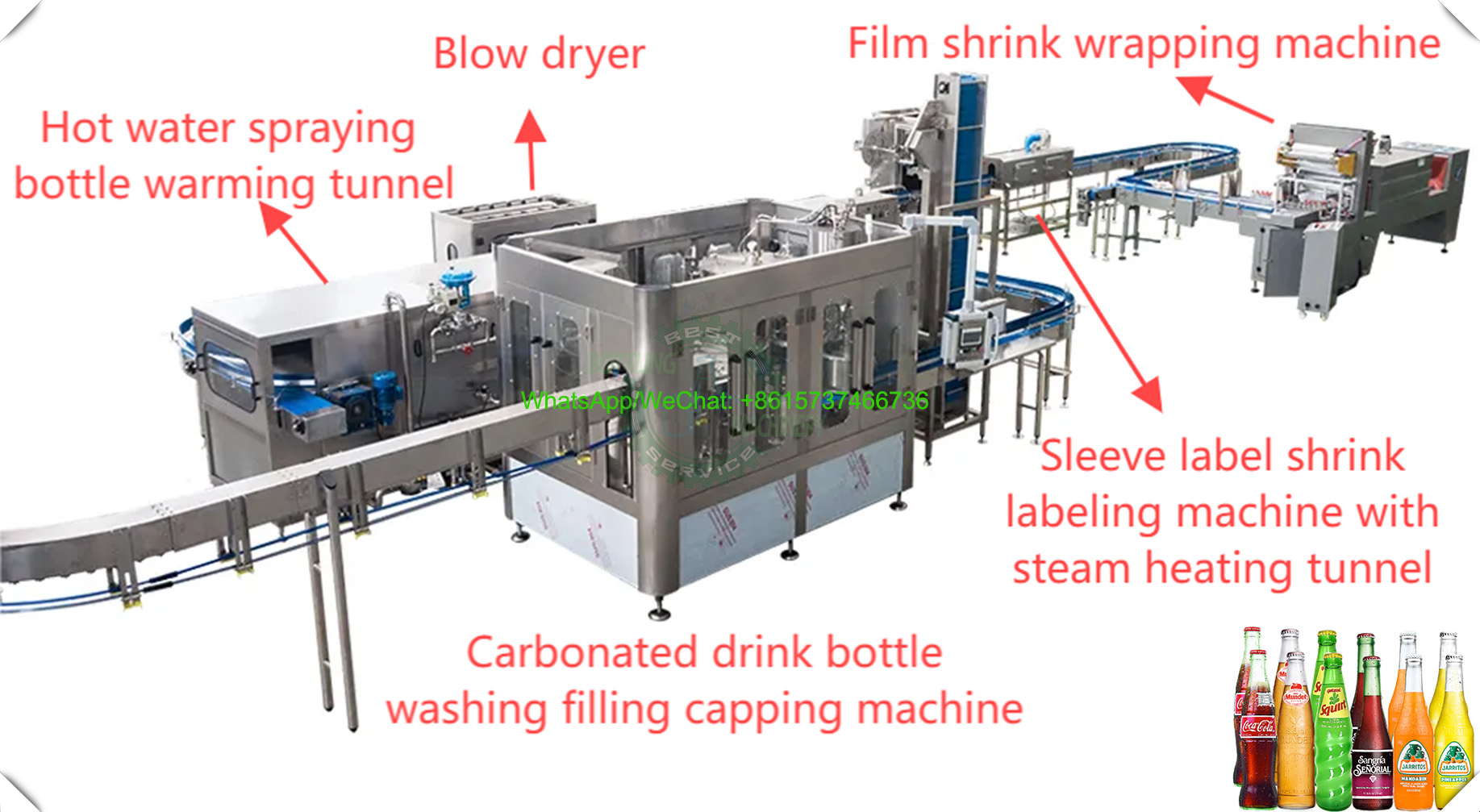
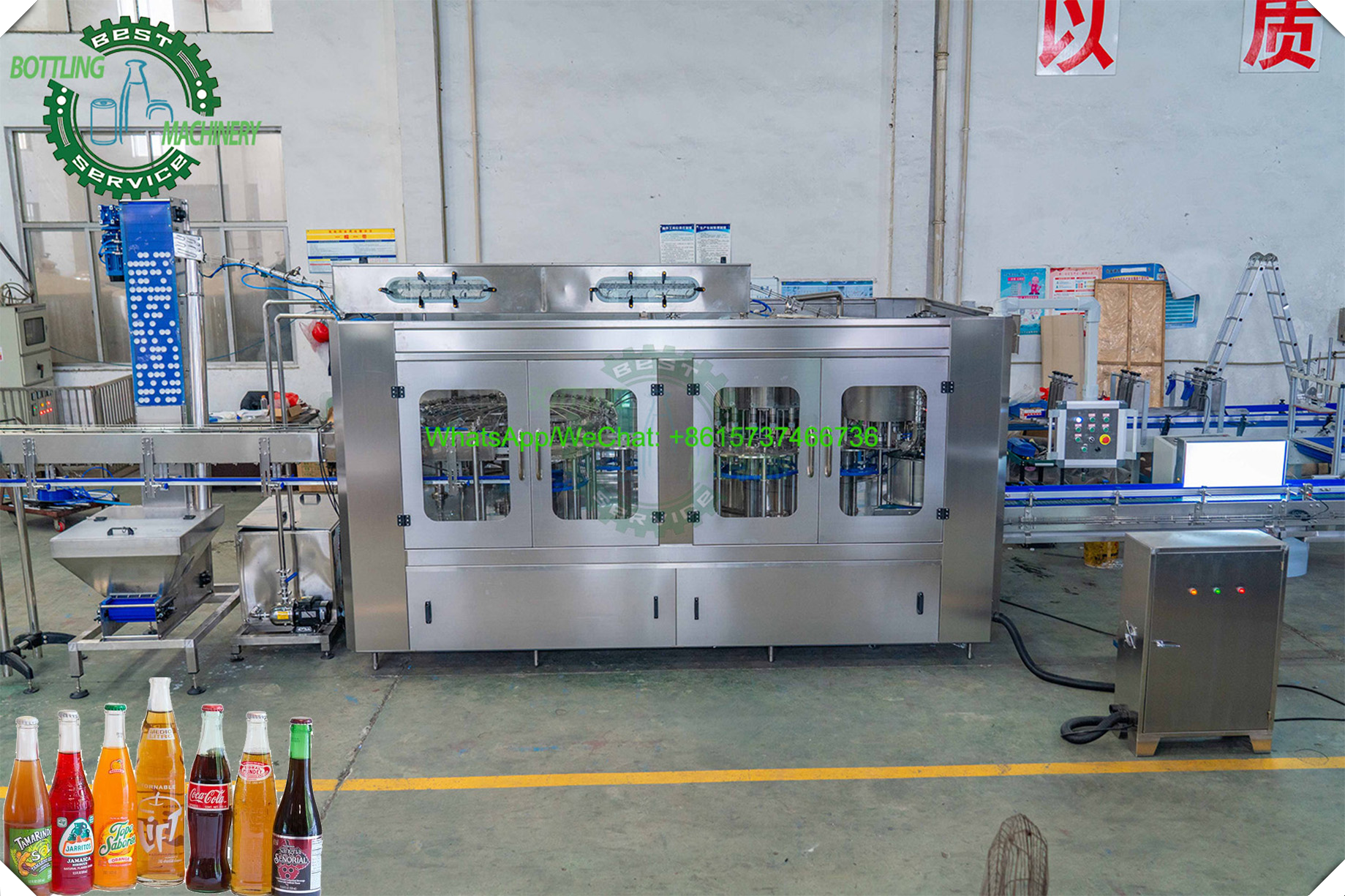
Please check the video of 3 in 1 glass bottle with crown cap washing filling capping machine for beer/carbonated drink: https://youtu.be/IckLoNP3Bi8 3-in-1 Glass Bottle Washing, Filling & Capping Machine I. Equipment Overview Function Integration: Integrates cleaning, isobaric filling, and capping in one unit. Specifically designed for glass bottles (used for beer and carbonated beverages), compatible with both Crown Caps and Twist-off Caps. Filling temperature is typically around 4°C.
Application Scenarios: Craft breweries, soda production lines, high-end glass-bottled beverages (e.g., sparkling water, champagne). II. Core Working Principles Bottle Washing: Bottles enter the washer via conveyor. High-pressure water or cleaning agents clean the interior and exterior, removing impurities. Filling: Employs isobaric filling technology to prevent CO₂ loss, maintaining carbonation levels. Process: Bottle enters the filling valve, CO₂ is injected to equalize pressure with the liquid tank, liquid is filled under isobaric conditions, excess gas is then released. Capping: Filled bottles enter the capper. Capping is performed according to the cap type (Crown Cap or Twist-off Cap). III. Key Differences: Gas-Filled Filling of Glass vs. Plastic Bottles
Comparison Dimension
Glass Bottle Filling
Plastic Bottle (PET) Filling
Bottle Characteristics
High rigidity, pressure-resistant (withstands ≥ 6 bar)
Crown cap (metal crimp-seal) or threaded aluminum cap
Plastic tamper-evident cap (screw-on or compression-fit)
Filling Temperature
Low temperature (4–10°C, e.g., beer)
Requires cold filling (0–4°C) to prevent thermal shrinkage/deformation
Equipment Adjustment
Adapts via mechanical fixtures for different bottle heights/diameters
Adapts to various bottle types by changing molds (faster changeover)
Gas Permeability
Glass is impermeable; negligible CO₂ loss
PET is slightly permeable; CO₂ content requires regular monitoring
Filling Speed
Lower (due to bottle weight/fragility, typically 12,000–24,000 bph)
Higher (up to 50,000 bph)
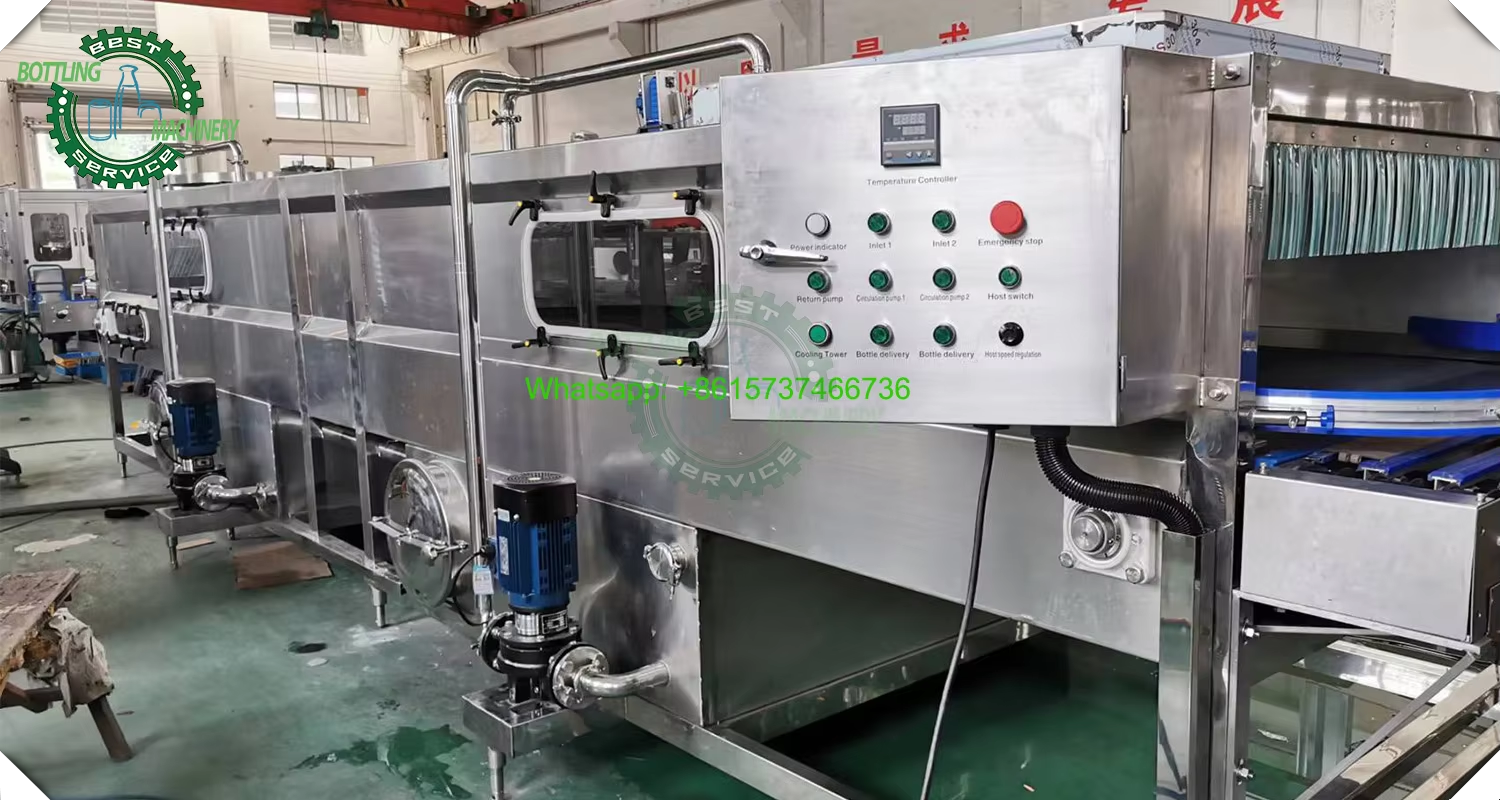
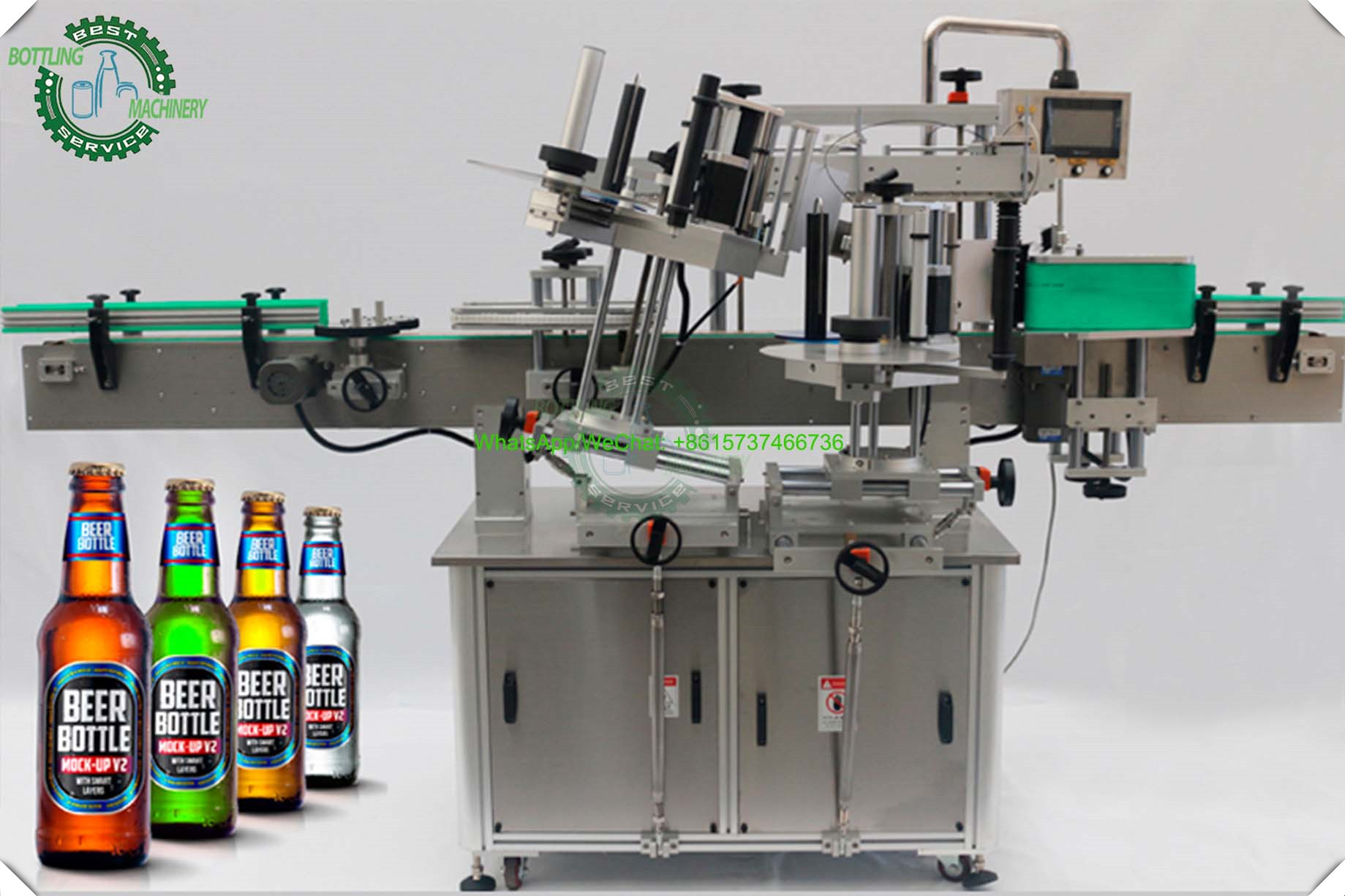
Glass Bottle Pasteurization Tunnel The spray sterilization machine, also referred to as the tunnel sterilization machine or bottle warming apparatus, serves a critical purpose. When bottles filled with 4-degree beverages encounter ambient air, significant condensation forms on the bottle surface. This is unsuitable for subsequent labeling and coding processes. Therefore, the bottle warming apparatus is required to gradually heat the bottles, dry them, and prepare them for labeling and coding. It raises the bottle temperature to approximately 30–35°C. This equipment operates as a tunnel-style spray system, heating bottles through heat exchange from circulating hot water sprays. Its main components include a frame, conveyor chain, drive system, water storage tank, circulation pump, spray device, heating unit, and piping. Bottle warming apparatuses are categorized into two types: Those without a sterilization segment (typically for direct cooling of carbonated beverages). Those with a sterilization segment (typically for beer, requiring heating for pasteurization followed by cooling). The apparatus with a sterilization segment employs a four-stage process: pre-heating, sterilization, pre-cooling, and final cooling, with top-to-bottom spray coverage. The sterilization temperature varies for different products. Equipment temperature is fully adjustable, automatically controlled, maintained, and recorded. For carbonated beverages, a sterilization segment is generally not required. For beer, a sterilization segment is typically installed. The sterilization temperature ranges from 65–75°C, with a standard holding time of 10–15 minutes in the sterilization zone.Please check the video of 3-label glass bottle adhesive labeling machine: https://youtu.be/D36Av0Sw8JE 3-Label Glass Bottle Adhesive Labeling Machine Most customers utilize self-adhesive labels on glass bottles, applying one label on the front, one on the back, and a third tilted label on the bottle neck. If your label positions and quantities differ, we can also customize a suitable labeling machine for your requirements. Equipment Structure: Bottle Front/Back Labeling Head: Vertical labeling with adjustable spacing to accommodate different bottle heights. Neck Tilt Labeling Head: Adjustable angle (0–45°), supports curved or special-shaped labels. Label Peeling Mechanism: Pneumatic peeling plate accurately separates liner paper to ensure labels are applied flat and wrinkle-free. Positioning Device: Uses photoelectric sensors and a rotary encoder for precise labeling timing (error ≤ ±0.5mm). Label Supply Mechanism: Three sets of independent label reels, maximum reel diameter 300mm, adaptable to different label specifications. Label Pressing Device: Sponge roller/silicone belt presses labels to enhance adhesion, especially effective on condensation-covered glass bottles. Detection & Rejection System: CCD vision inspection camera monitors label position and integrity in real-time, automatically rejecting defective products. Human-Machine Interface (HMI): Touch screen control for preset label position parameters, supporting one-touch model changeover.
Please check the video of Glass bottle carton packing system: https://youtu.be/Z5YFVS1xn4Q Glass Bottle Carton Packing System The glass bottle carton packing system is typically composed of a carton erector, a robotic case packer, and a case sealer. 1. Carton Erector Function: Automatically lifts and opens flat-folded cartons, forms them into shape, and completes the bottom folding and sealing (via tape or hot-melt adhesive). Ensures cartons are delivered to the packing station in a standard size and orientation. 2. Robotic Case Packer Function: Uses a robotic arm (with grippers or vacuum cups) to accurately pick up arranged groups of glass bottles (e.g., 6, 12, or 24 bottles) from the conveyor and place them smoothly into the opened carton. Supports various bottle types (round, square) and arrangement patterns (matrix, staggered). 3. Case Sealer Function: Automatically folds the top flaps of the carton and seals them with tape or hot-melt adhesive to complete the package. Optional Inkjet Function: Prints batch numbers or QR codes during the sealing process. System Collaborative Process: Empty Carton Supply → Carton Unfolding & Forming → Bottle Pick & Place into Carton → Carton Sealing → Palletizing/Outfeed Please check the video of automatic bottles Palletizing system: https://youtu.be/nqvxTBCFBhE Palletizing Apparatus, Pallet Stack Distributors, and Pallet Stretch-Film Wrapping Systems
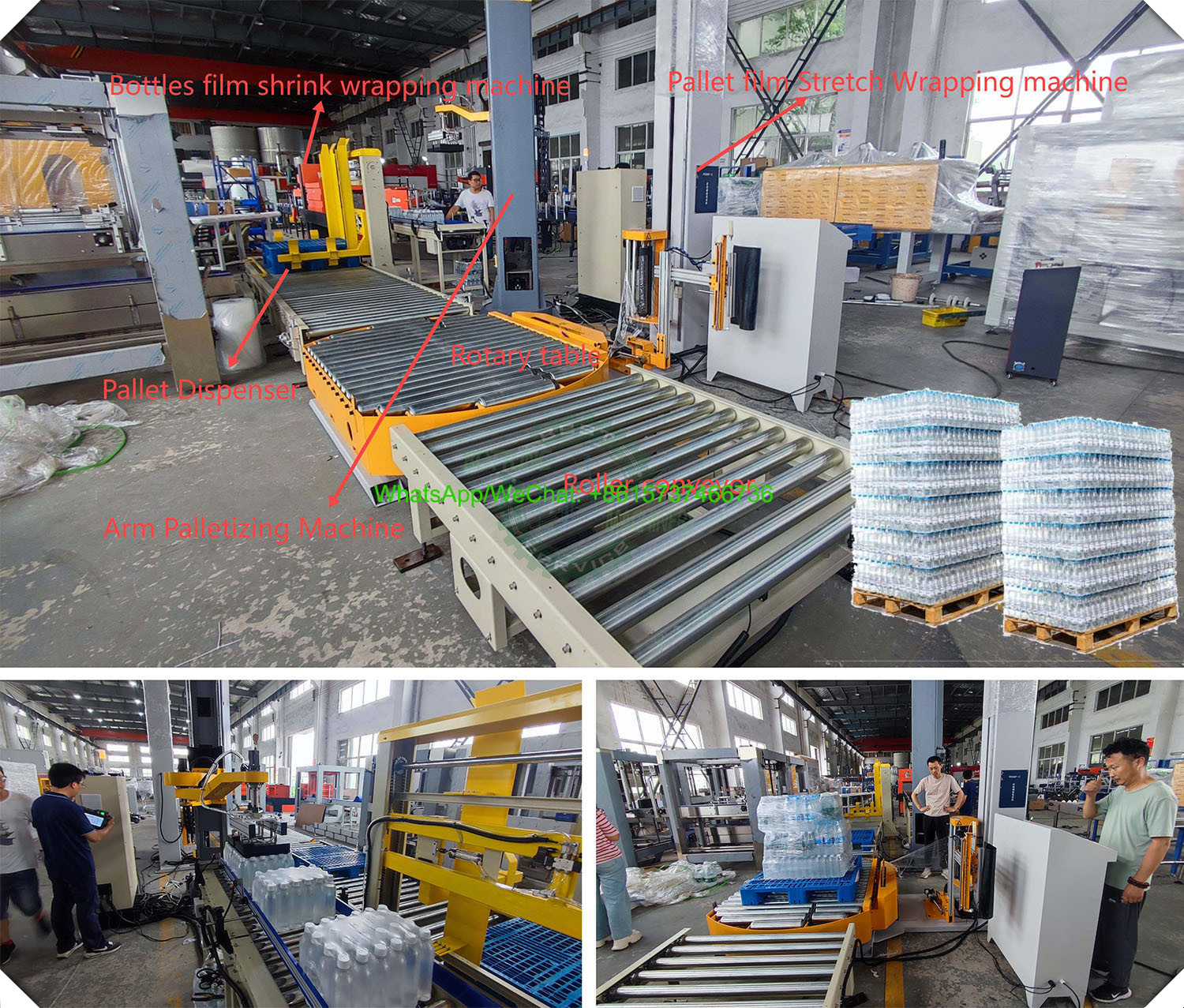
Palletizing Apparatus The palletizing apparatus picks up film-wrapped bottles and arranges them onto pallets. The pallets are automatically distributed by the pallet stack distributors. Once a stack of bottles is palletized, it is conveyed via rollers to the turntable of the pallet stretch-film wrapping system. When a photoelectric sensor confirms the pallet is in position, the turntable rotates, winding stretch film securely around the stacked load. This stabilizes the bottles during transport, prevents shifting, and facilitates efficient forklift handling to distribution points. We offer various types of palletizing apparatus. Some employ vacuum-based suction for pickup, while others utilize robotic grippers. Structurally, we provide column-type models for smaller production lines and more stable, high-capacity gantry-type models for large-scale operations. Pallet Stack Distributors Pallet stack distributors automatically dispense pallets—the trays that form the base of each stacked load. If partition boards are required between layers, additional equipment can be integrated. While pallets and partitions can be placed manually, automation significantly increases efficiency and reduces labor costs. Pallet Stretch-Film Wrapping Systems Stretch-film wrappers are available in two main types: self-rotating (turntable) models and non-rotating boom-type models. Select a self-rotating automatic wrapper if the pallet load is stable during rotation. Opt for a non-rotating boom-type wrapper for very tall or unstable loads where rotation poses a toppling risk. This type wraps film by rotating its arm around a stationary pallet, making it ideal for high-stack or irregularly shaped loads.