Juice Filling Line
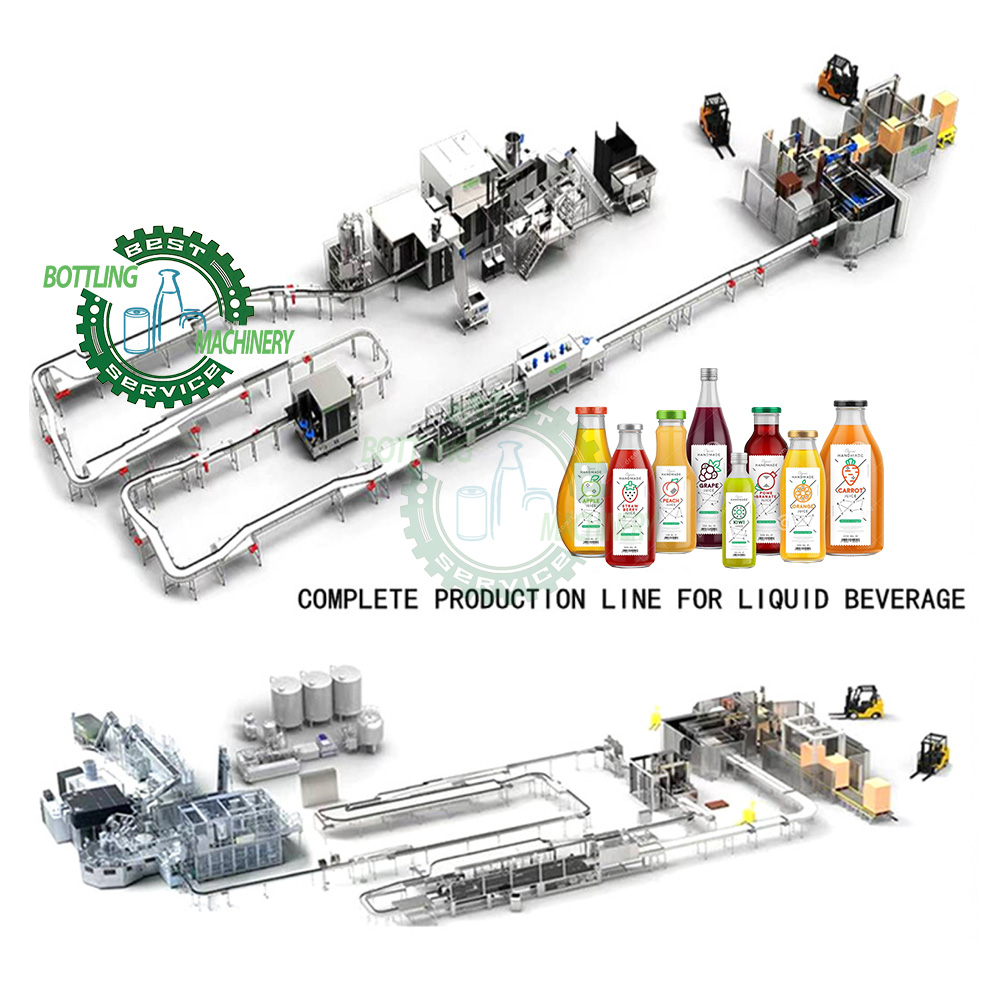
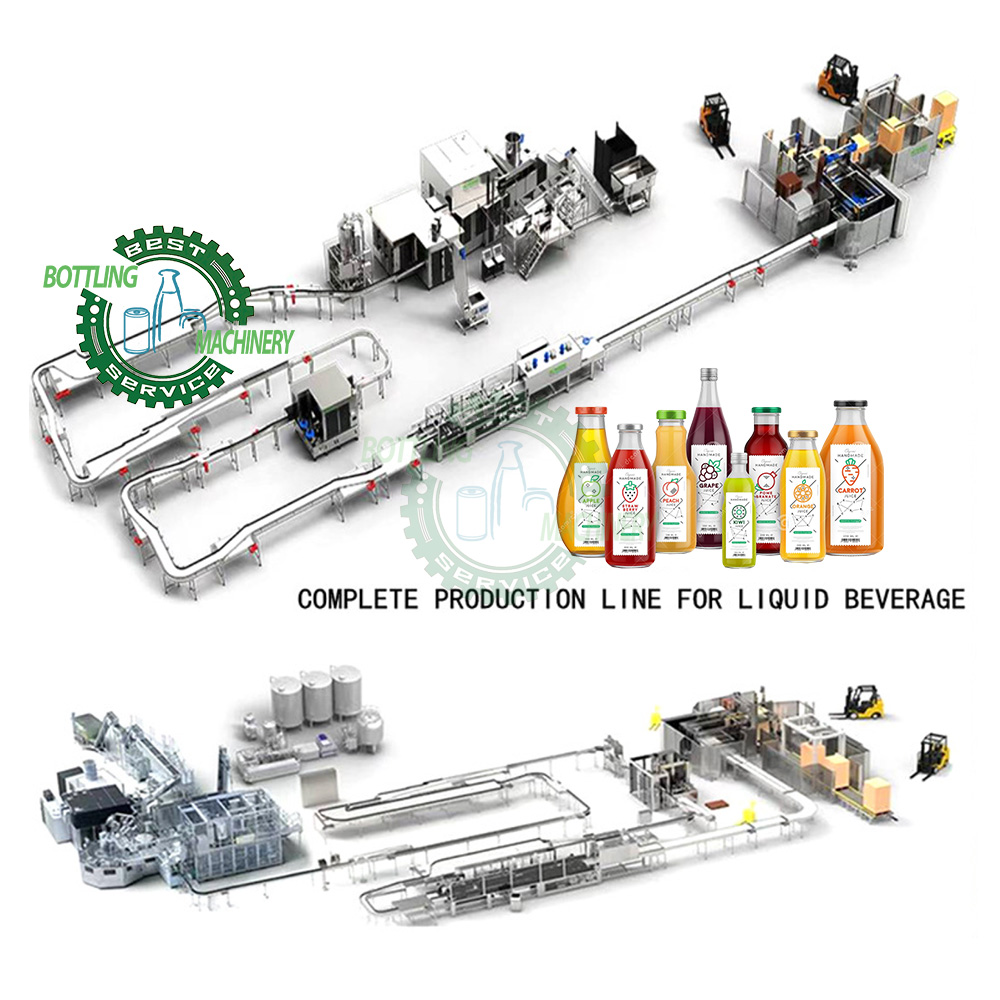 | Bottled juice production and filling lineLooking for reliable juice filling solutions? Our juice filling machines can be customized for mango juice, litchi juice, and other liquid beverages. From juice bottle filling and sealing to complete juice filling lines, our equipment ensures hygienic operation, accurate filling, and product integrity. |
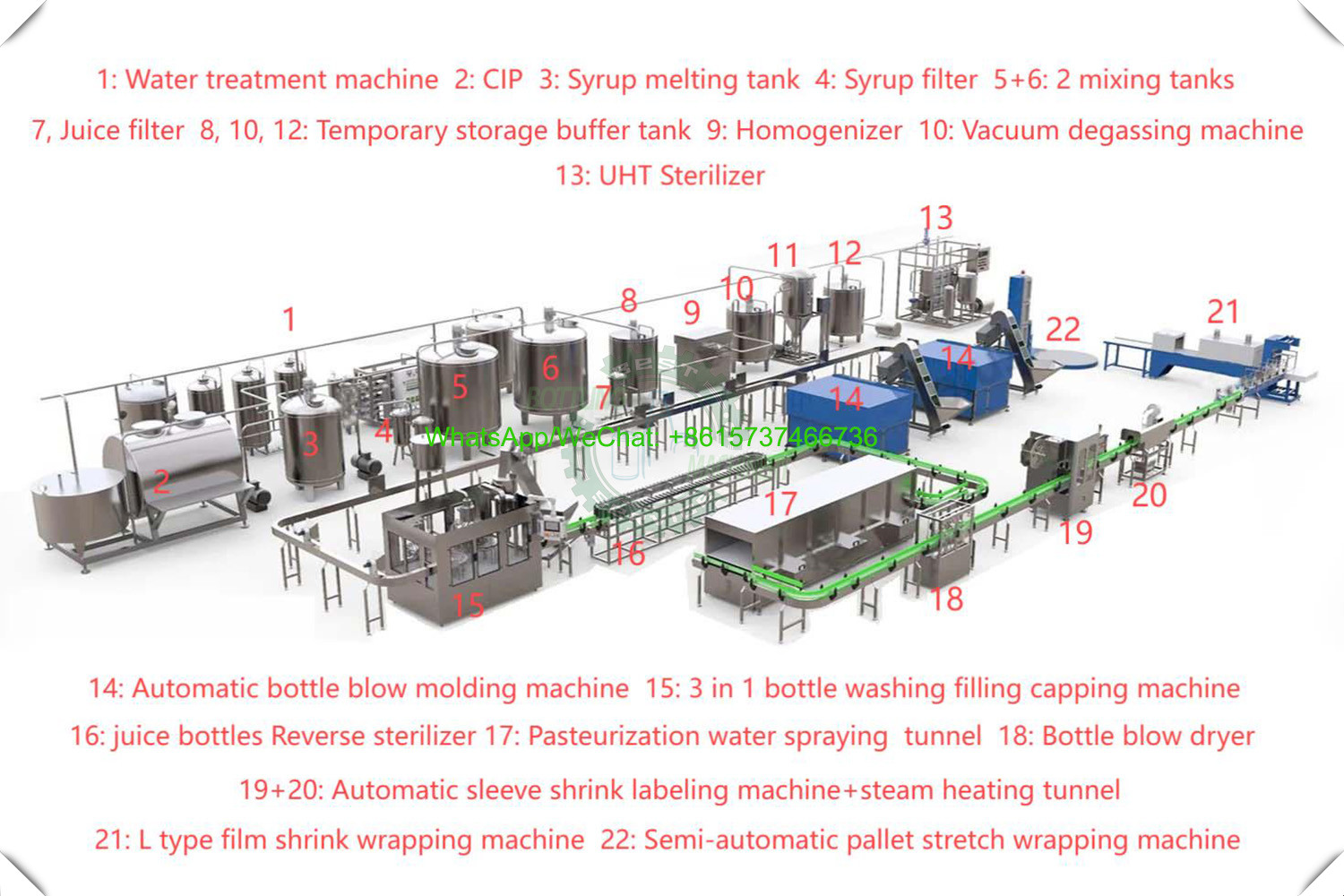
Here is a detailed explanation of the key machines within the juice processing line, presented in workflow order:
1. Syrup Melting Tank
Function: Heats and dissolves sugar, concentrates, or additives into a uniform syrup base, ensuring consistent sweetness and integration before blending with the juice.
2. Juice Mixing Tanks (Two Units)
Function:
Tank 1: Precisely blends syrup, fruit juice concentrate, water, and stabilizers (e.g., pectin) to achieve the target Brix level and flavor profile.
Tank 2: Fine-tunes acidity (pH) and incorporates preservatives or vitamins as required, with continuous agitation to maintain perfect homogeneity.
3. Double Filter
Function: Employs a two-stage filtration process for superior clarity:
Pre-filter: Removes coarse particles such as pulp fragments and undissolved solids.
Fine filter: Eliminates micron-level impurities, including colloids and microorganisms, using membrane or diatomaceous earth technology.
4. Homogenizer
Function: Processes the juice under high pressure (15–25 MPa) to evenly break down and disperse fat globules and solid particles. This prevents sedimentation and ensures a stable, smooth mouthfeel.
5. Vacuum Degasser
Function: Removes dissolved oxygen and entrapped air from the juice under a vacuum. This critical step prevents oxidation (safeguarding color and flavor), extends shelf life, and enhances the efficiency of subsequent UHT sterilization.
6. UHT Juice Sterilizer (Ultra-High Temperature)
Function: Rapidly heats juice to 135–150°C for 2–6 seconds, effectively destroying all microorganisms (bacteria, yeasts) while minimizing nutrient loss. This process is essential for aseptic packaging.
7. Aseptic Tank
Function: Provides temporary sterile storage for the processed juice in a temperature-controlled environment (4–25°C) before it is filled into pre-sterilized containers such as cartons or PET bottles, maintaining product integrity.
8. CIP System (Clean-in-Place)
Function: Automatically cleans and sanitizes all tanks, pipelines, and contact surfaces without disassembly, using sequenced cycles of hot water, detergents, and disinfectants. This ensures the highest hygiene standards and prevents cross-contamination between production batches.
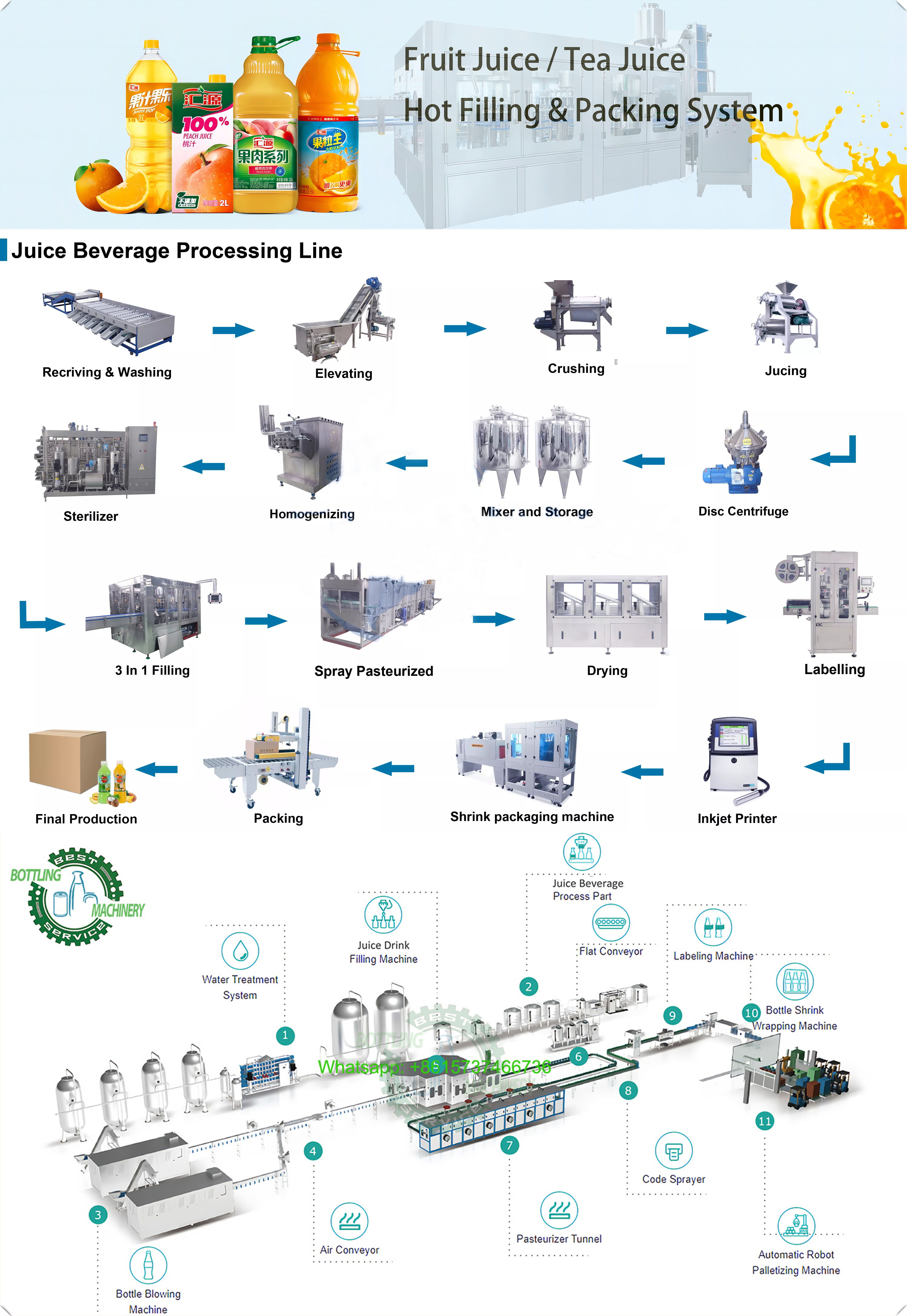 Please check the video of juice filling line: https://youtu.be/hWXRrRmK7RI
We produce diverse juice types tailored to your specifications.
1. NFC Juice (Not From Concentrate)
NFC Juice, known as "non-concentrated 100% pure juice," is made by pressing fresh fruit and then directly packaging the juice after instant pasteurization, bypassing any concentration and reconstitution steps. This minimal heat exposure helps preserve nutrients and the fresh fruit's original flavor.
Filling Methods: Available in cold-fill (best for retaining flavor and nutrients) and hot-fill (better for extended shelf life) options.
Characteristics: Offers superior freshness but requires cold-chain storage and has a relatively shorter shelf life. Its pure, perishable nature also results in a higher production cost.
2. Fruit Juice Beverage (From Concentrate - FC)
Most common market juices are reconstituted from concentrate (FC). Water, sugar, and additives are mixed with juice or concentrated juice. While cost-effective and shelf-stable, the concentration process leads to significant nutrient and flavor loss compared to NFC.
a) 100% Fruit Juice: Made by fully restoring the water removed during the concentration process back to the concentrated juice, matching the original fruit's soluble solids, color, and flavor profile.
b) Non-100% Juice Drink: Produced by diluting concentrated juice with water, sugar, preservatives, and flavorings. The ingredient list will typically show "water" and "concentrated juice."
3. Fruit-Flavored Beverage
These drinks contain no real fruit juice. They are made by blending sugar/sweeteners, acidity regulators, and artificial flavors to mimic fruit taste (e.g., "apple flavor"). Often high in sugar and synthetic additives, they are considered a lower-quality option with minimal nutritional value.
Water Treatment Systems:
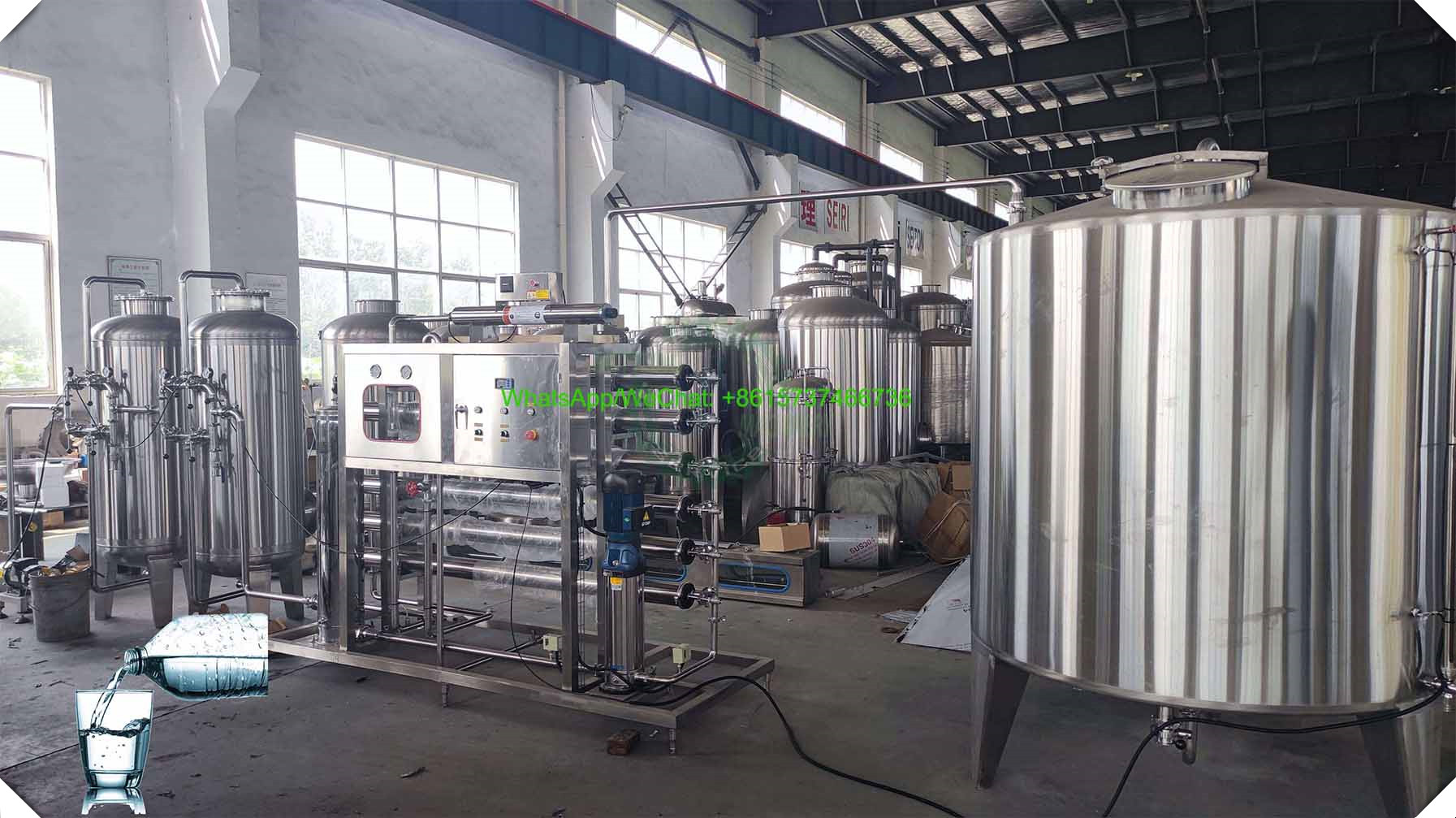
Our water treatment solutions encompass a diverse range of advanced technologies to meet various purity standards. Available systems include Reverse Osmosis (RO), Ultrafiltration, Bipolar RO, RO with Integrated EDI Electrolysis, RO with Alkaline Electrolysis, and Seawater Desalination plants. For standard bottled water production lines, a Reverse Osmosis system is the most prevalent and effective choice.
Working Principle: Reverse Osmosis
The RO process utilizes high pressure to force water through a semi-permeable membrane. This efficiently removes dissolved salts, organic substances, bacteria, viruses, and other contaminants, producing consistent, high-purity water essential for beverage production.
System Components
A complete RO system is engineered with integrated stages for optimal performance:
Pretreatment: Raw Water Tank, Quartz Sand Filter, Activated Carbon Filter, Water Softener, Precision Filter.
Core Purification: Reverse Osmosis Membrane Module.
Final Sterilization & Storage: UV Sterilizer, Ozone Generator & Mixing Tower, Pure Water Storage Tank.
Output Capacity
We offer customizable solutions with a wide spectrum of output capacities to match your production scale, ranging from 250 liters per hour (L/H) to 100 tons per hour (T/H). Standard models include:
250 L/H, 500 L/H, 1,000 L/H, 2,000 L/H, 3,000 L/H, 5,000 L/H, 8,000 L/H, 10 T/H, 20 T/H, 30 T/H, 50 T/H, 100 T/H.
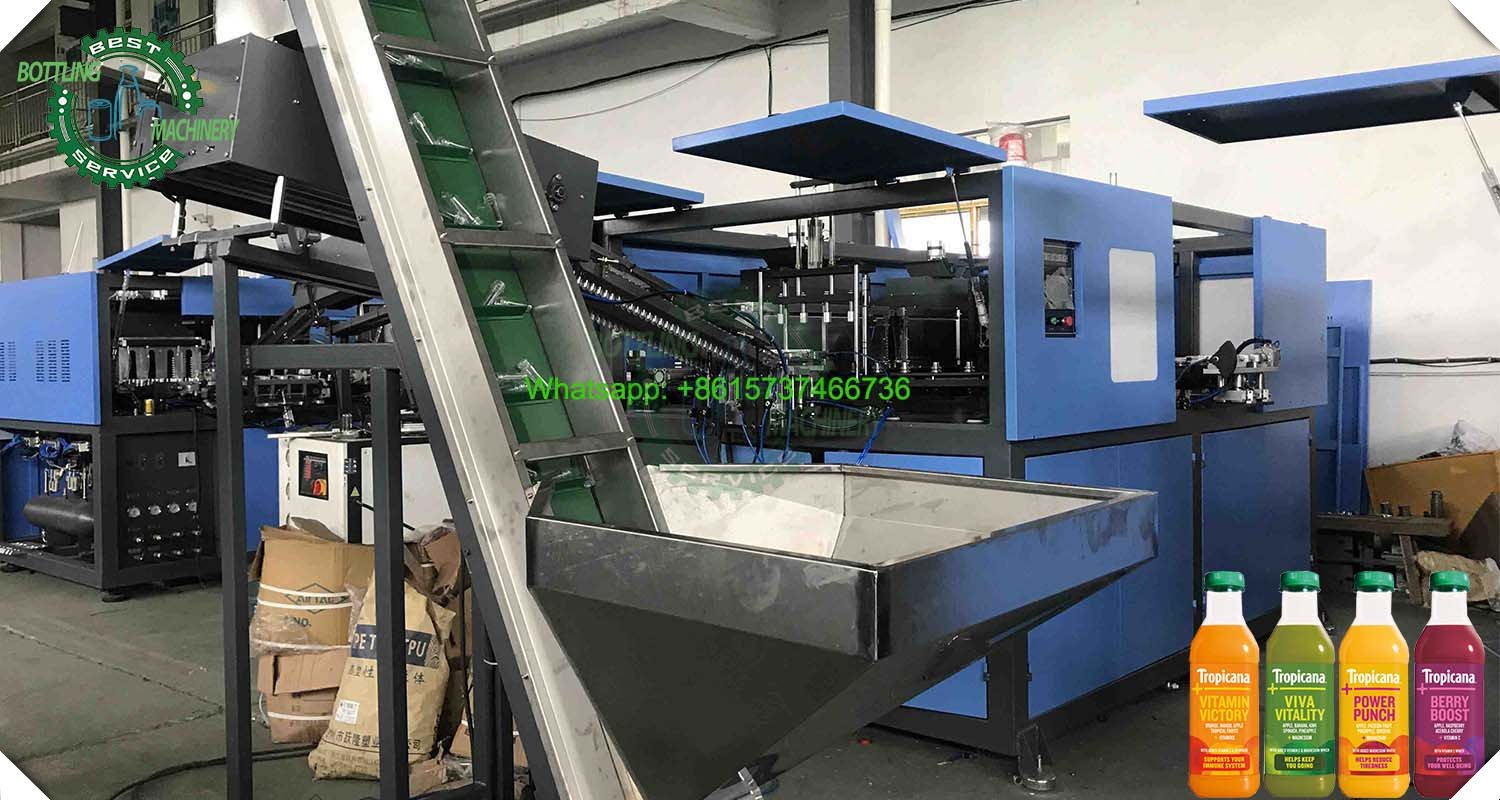
Please view the video about automatic bottle blow molding machine: https://youtu.be/DsRZ-b19t1E
High-Temperature Resistant Bottle Blowing Machine:
For juice production lines, a high-temperature resistant bottle blowing machine is often required due to the typical filling temperature of 80–90°C. This specialized equipment, along with the high-heat-resistant preforms and caps it uses, represents a higher investment—costing approximately 60–80% more than standard models.
To reduce upfront costs, an alternative is to sterilize the juice at ultra-high temperature (UHT, e.g., 115°C), then cool it to around 60–70°C before filling. This allows the use of ordinary bottles and standard blowing equipment. However, juice filled at this lower temperature generally has a shorter shelf life compared to hot-fill methods at 80–90°C.
Bottles produced for high-temperature filling are also structurally different: the preforms are heavier, and the finished bottles often feature reinforcing ribs and surface protrusions to enhance structural stability under thermal stress.
Technical Comparison: High-Temperature vs. Standard PET Bottles & Equipment
I. Material Differences
| Characteristic | High-Temperature Resistant PET Bottle | Ordinary PET Bottle |
|---|---|---|
| Resin Raw Material | High heat-resistant copolyester (e.g., Eastman TRITAN™) | Standard PET homopolyester (e.g., IPA content < 2%) |
| Glass Transition Temp. (Tg) | 85 – 120°C | 70 – 80°C |
| Crystallinity | Higher, optimized by heat setting | Lower, prone to heat shrinkage & deformation |
II. Equipment Structure Upgrades
| Module | High-Temperature Resistant Blowing Machine | Ordinary Blowing Machine |
|---|---|---|
| Heating System | Infrared + Microwave, temp. uniformity ±1°C | Standard infrared, temp. diff. ±5°C |
| Mold Material | Beryllium copper alloy (380 W/mK) + nano-coating | Ordinary aluminum mold (160 W/mK) |
| Clamping Force | ≥80 tons (prevents mold expansion at high temp.) | 30 – 50 tons |
| Cooling System | Dual-circuit chilled water (5–10°C) | Single-circuit cooling water (15–25°C) |
| Control System | Multi-stage PID + pressure feedback | Basic PLC control |
III. Cost Difference Analysis
Material Cost: High-temperature PET raw materials cost 20–30% more than standard grade.
Energy Consumption: High-temperature process energy use is ~35% higher due to increased heating/cooling demands.
Equipment Investment: High-temperature models are 1.5–2 times the price of standard machines, due to:
Special alloy molds
Precision temperature control systems
Reinforced mechanical structure
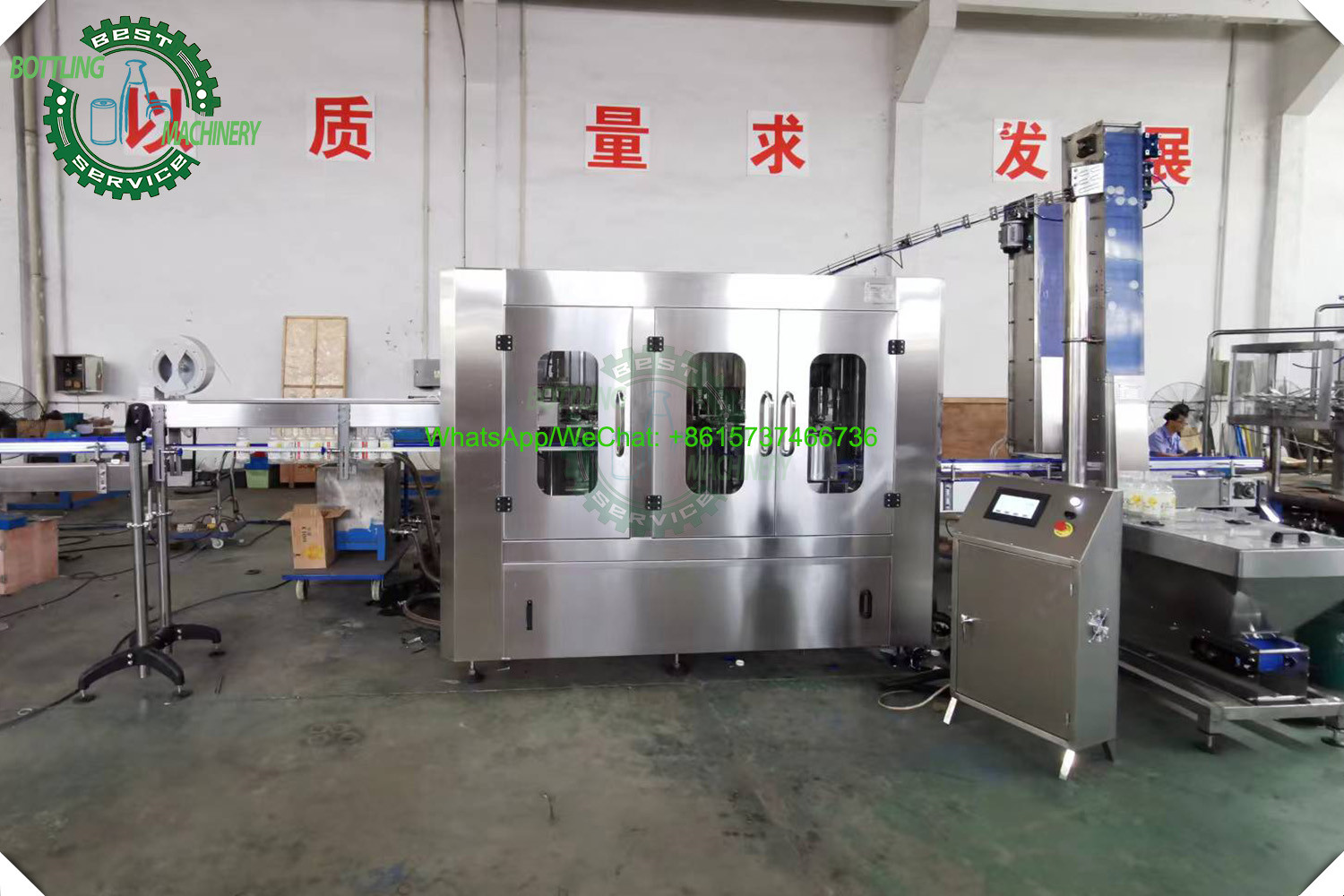
Please view the video about pet bottle juice filling machine: https://youtu.be/dAwexp39VXQ
3-in-1 Integrated Bottle Washer, Hot-Fill & Capper:
This fully integrated machine combines bottle sterilization, high-temperature filling, and hermetic capping into a single, closed-loop system. Engineered specifically for hot-fill beverage production, it ensures maximum product safety, extended shelf life, and superior packaging integrity.
I. Working Principle: Precision Hot-Fill Process
Ultra-High Temperature (UHT) Filling: Juice is sterilized at 135–140°C for 2–5 seconds and then filled directly into pre-sterilized bottles at temperatures ≥88°C. The residual heat provides secondary sterilization of the bottle interior.
Intelligent Reflux System: An integrated temperature sensor monitors the liquid in real-time. If the temperature falls below the 85°C safety threshold, the flow is automatically diverted back to the UHT sterilizer for reheating, guaranteeing that only properly sterilized product is filled.
Controlled Cooling: After capping, bottles are conveyed through a cooling tunnel for gradual temperature reduction, preventing thermal shock and bottle deformation.
II. Core Features & Advantages
Guaranteed Sterility: A closed, three-in-one design minimizes exposure risk. Integrated CIP/SIP (Clean-in-Place/Sterilize-in-Place) systems enable thorough, automated cleaning and sterilization.
Intelligent Operation: A PLC system provides precise control over filling temperature, liquid level accuracy (±0.5%), and adjustable capping torque (10–50 N·m). It features automatic fault diagnosis and operational monitoring.
Broad Compatibility: Handles a wide range of products including high-acidity juices (pH < 4.5), tea drinks, and beverages with pulp. Compatible with both PET and glass containers (with appropriate cooling protocols).
III. Advanced Control System
The machine is managed via a user-friendly Human-Machine Interface (HMI) and a programmable PLC. It includes a data traceability system that logs critical parameters such as filling temperature and volume for quality assurance and production tracking.
IV. Typical Workflow
Empty Bottle Sterilization
High-Temperature Rinsing
Hot-Fill at 88–93°C
Bottle Neck Steam Sterilization
Hermetic Capping & Sealing
Controlled Cooling in Tunnel
Finished Product Output
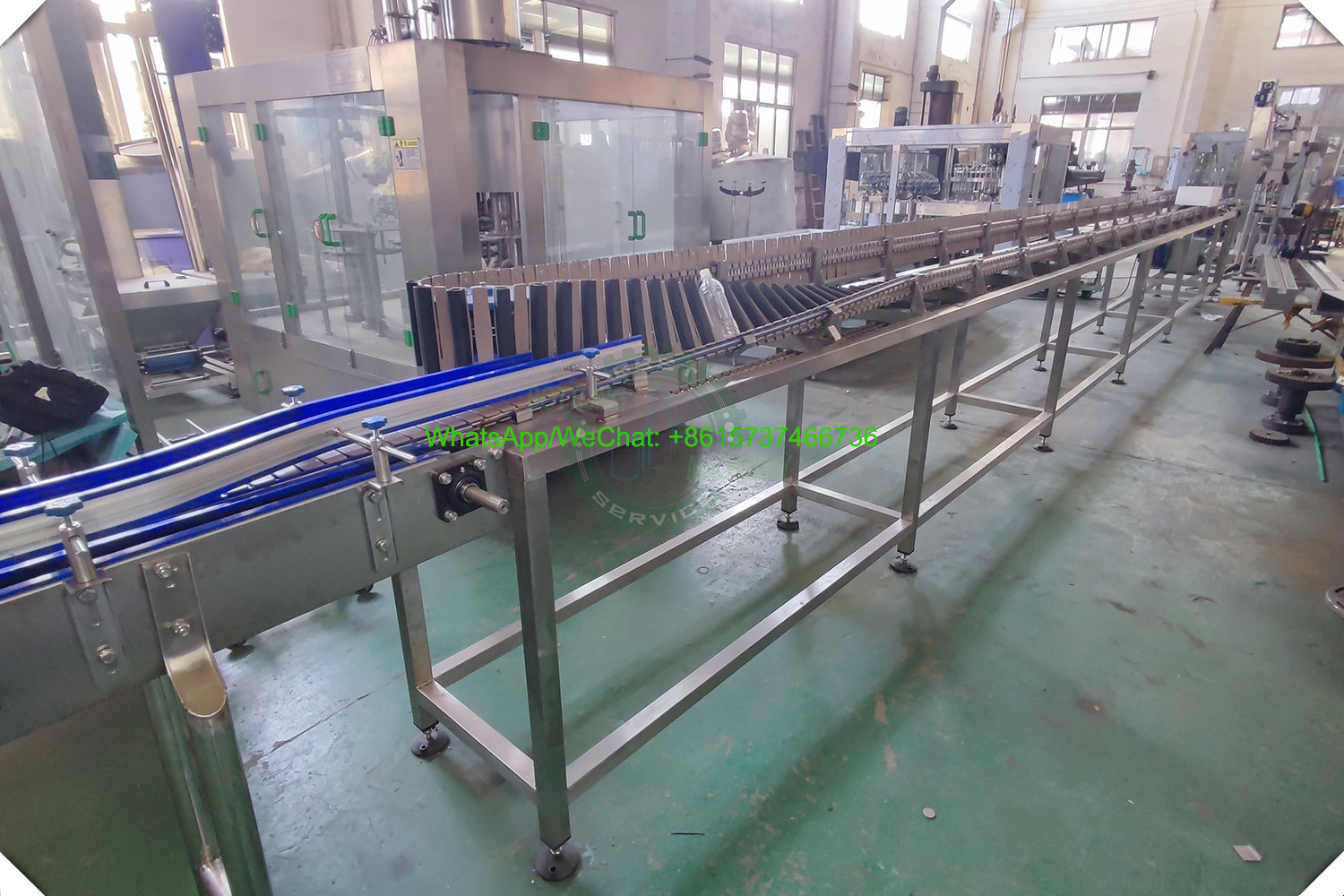
This specialized equipment ensures the final sterility of your product by performing targeted, post-capping disinfection of the bottle mouth and cap interface—a critical step for achieving extended shelf life and uncompromising product safety.
Working Principle: Inverted Immersion Sterilization
After filling and capping, the bottle is securely inverted to a precise angle, fully immersing the cap and bottle neck in a high-temperature sterilant bath (e.g., peracetic acid, ozonated water, or hot water >85°C) for 3–10 seconds. This process effectively eliminates any microorganisms that may remain in the cap threads and sealing surfaces.
Core Functions & Value
Guaranteed Seal Sterility: Provides essential secondary sterilization to address potential microbial contamination risks during the filling and capping process.
Broad Compatibility: Designed to handle various containers including glass and PET bottles, sealed with either metal or plastic caps.
Key Features
100% Effective Coverage: Ensures complete, no-dead-angle contact between the sterilant and the critical cap/bottle interface.
Safe & Low-Residue Operation: Incorporates a food-grade circulation and filtration system to minimize chemical residues.
Fully Automated Integration: Synchronizes seamlessly with your main filling line, capable of matching high-speed production rates of up to 30,000 bottles per hour.
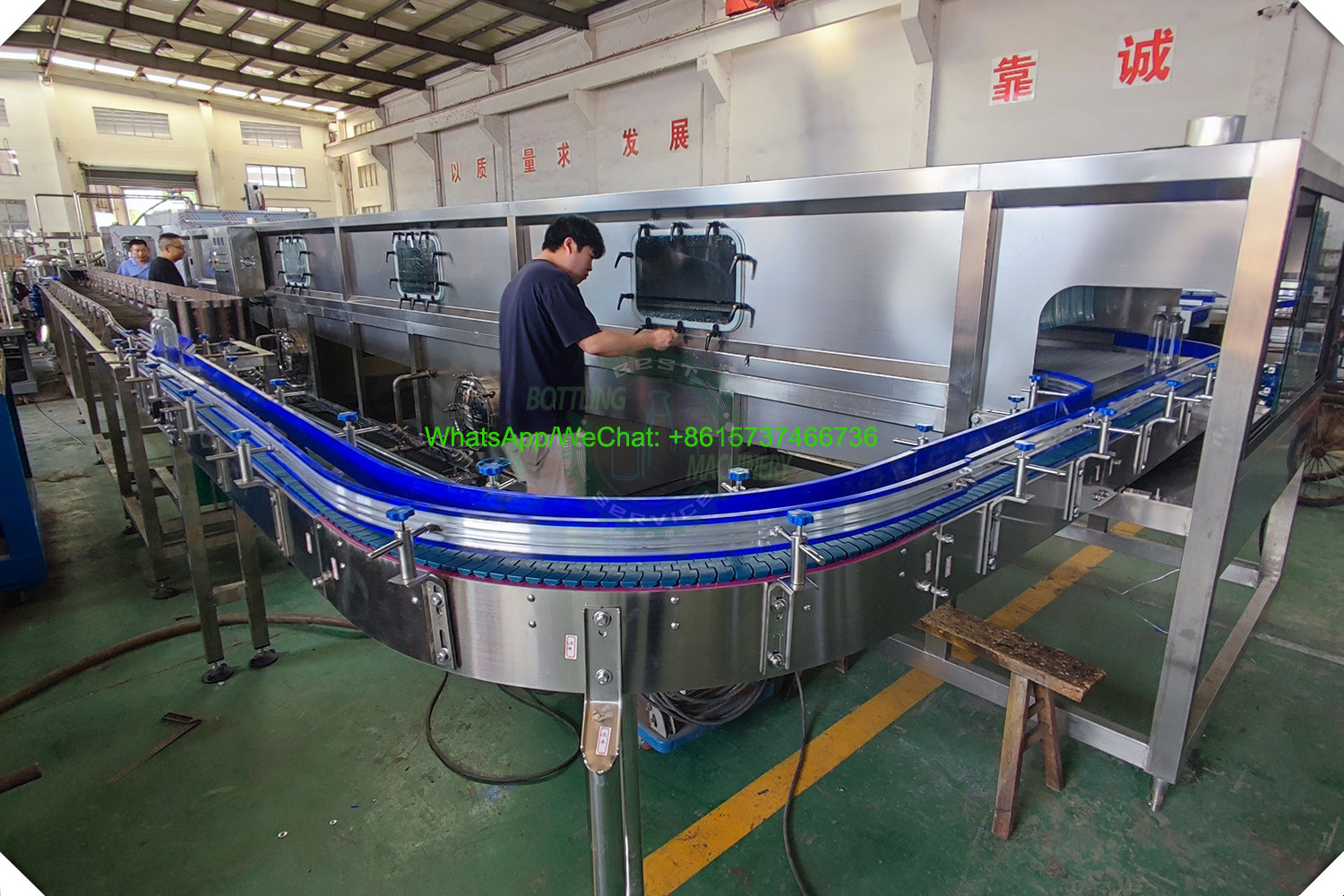
Bottle Cooling & Pasteurization Tunnel:
This tunnel-style spray system is engineered to extend product shelf life and ensure safety by performing secondary pasteurization on hot-filled beverages. Following initial cap sterilization, the tunnel provides the sustained heat treatment required to eliminate heat-resistant microbes, before gradually and safely cooling the bottles to ambient temperature.
How It Works: Precision Three-Stage Process
For a typical beverage filled at 85°C, the tunnel ensures complete treatment through controlled temperature zones:
Pasteurization Zone: Maintains the bottle at 85–90°C for a pre-set duration (e.g., 15 minutes) via hot water sprays, ensuring thorough microbial elimination.
Intermediate Cooling Zone: Gradually reduces the bottle temperature to approximately 60°C using tempered water sprays.
Final Cooling Zone: Cools the bottle to around 40°C using water chilled by a cooling tower (20–25°C).
Drying Stage: An integrated air knife system dries the bottle exterior, preparing it for labeling and coding.
Core Functions & Advantages
Completes the Sterilization Cycle: Works in tandem with the cap sterilizer to guarantee full-product microbiological safety, extending shelf life.
Prevents Thermal Shock: The gradual, multi-stage cooling process protects bottle integrity and prevents deformation.
Ready for Next Steps: The final drying stage ensures bottles are clean and dry for immediate labeling and packaging.
Technical Highlights
Precision Control: A PID controller maintains spray temperature with minimal fluctuation (≤ ±1°C).
Sustainable Operation: A closed-circuit water circulation system reduces overall water consumption by up to 40%.
Custom-Engineered: The tunnel’s length and spray configuration are calculated based on your specific beverage type, bottle diameter, required sterilization time (TDT), and hourly output.
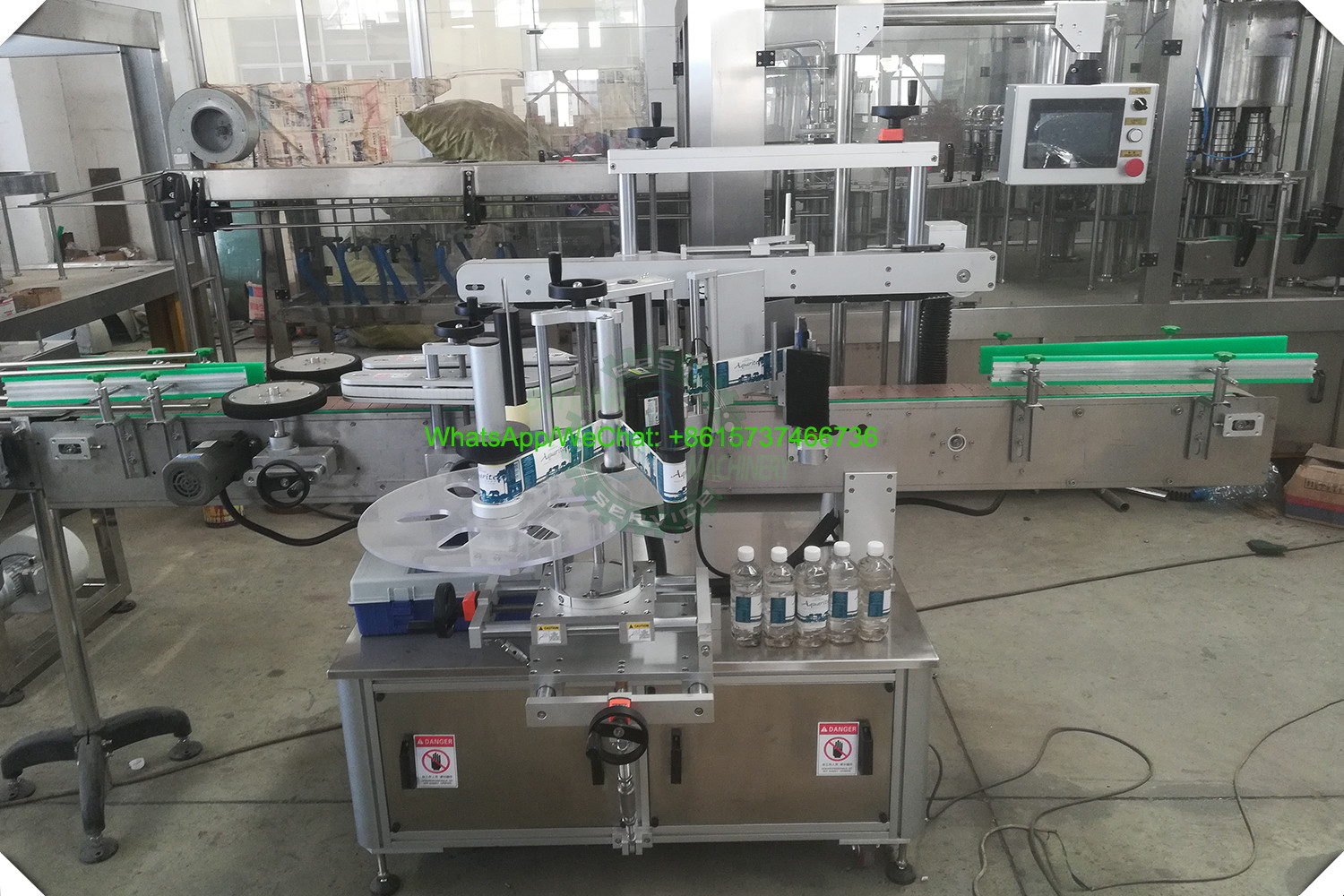
Labeling Machines:
We offer precision labeling solutions with four primary machine types to accommodate various label materials and application requirements: Self-Adhesive Labelers, Sleeve Labelers, Hot-Melt Adhesive OPP Labelers, and Cold-Glue Paper Labelers.
Please note: Our supply includes the labeling equipment only. Labels must be sourced separately by the customer. As an additional service, we can assist in the procurement of suitable labels.
Flexible Application for Diverse Packaging
Different bottle geometries and sizes require specific labeling solutions. Our machines support various application styles to meet your branding needs, including:
Single-side labeling (standard for round bottles)
Multi-side labeling on one face (two or three sides)
Front-and-back double-label application
Three-label application on a single bottle
Seamless Line Integration & Support
Labeling machines are typically paired with coders for printing production dates. They are designed to connect directly to upstream fillers and downstream film wrappers via conveyor, ensuring a continuous production flow. We provide model recommendations based on your production line speed, bottle shape, and label dimensions.
Label Design & Artwork
The label content and graphic design are handled by your chosen printing company, allowing for complete brand customization.
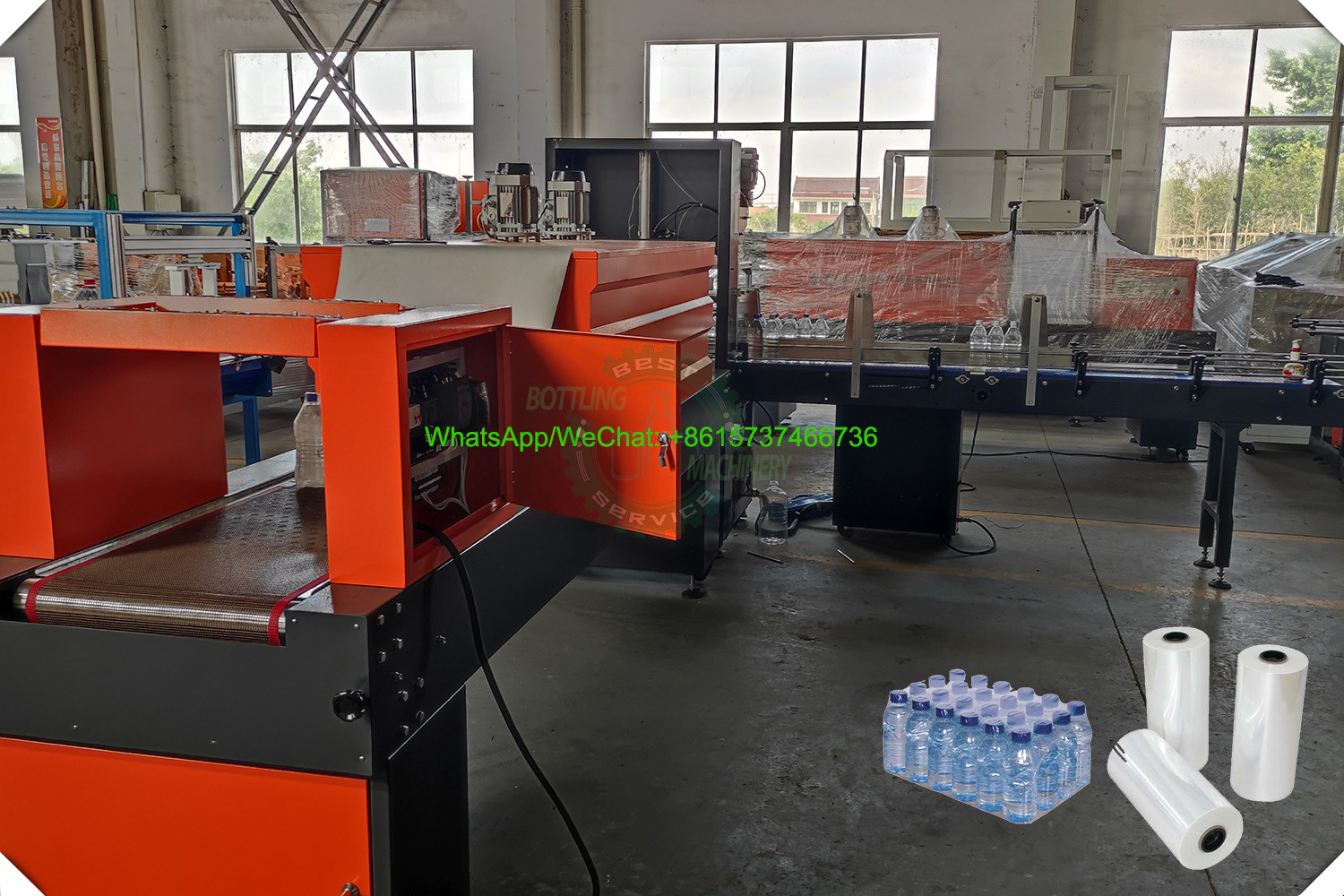
Film Wrapping Machine (Shrink Wrapping System):
This machine efficiently bundles finished bottles into stable, tamper-evident multi-packs, optimizing them for handling, retail display, and transportation. It seamlessly integrates into the end of your production line.
Working Principle
The system operates through four key stages: conveyance, grouping, film sealing, and heat shrinking. With a wide infeed conveyor, it connects directly to your main line. Bottles are organized into predetermined groups (e.g., 12-packs, 24-packs) by guiding plates. Each group is then wrapped in film, sealed, and conveyed into an electrically heated shrink tunnel. The heat evenly contracts the film to form a tight, secure package.
Core Components
Conveyor with Bottle Grouping Guides
Film Unwinding & Cutting System
Sealing Unit
Shrink Tunnel (with heating elements)
Control Panel
Customizable Packaging
The film width is fully customized to fit your specific bundle size and bottle arrangement. While any configuration is possible, common formats include 3x4 (12 bottles) and 4x6 (24 bottles) packs.
Available Models & Options
We offer various models to suit different production needs:
Standard Machines: For transparent film.
Premium Machines: Compatible with pre-printed, colored films for enhanced branding.
Stability-Focused Machines: Equipped with integrated bottom trays for added rigidity.
Different production speeds are matched with corresponding machine models for optimal performance.
Consumables & Maintenance
Primary Consumable: PE shrink film.
Key Wear Part: Heating elements within the shrink tunnel. We ensure ready availability of genuine spare parts to maximize uptime and productivity.
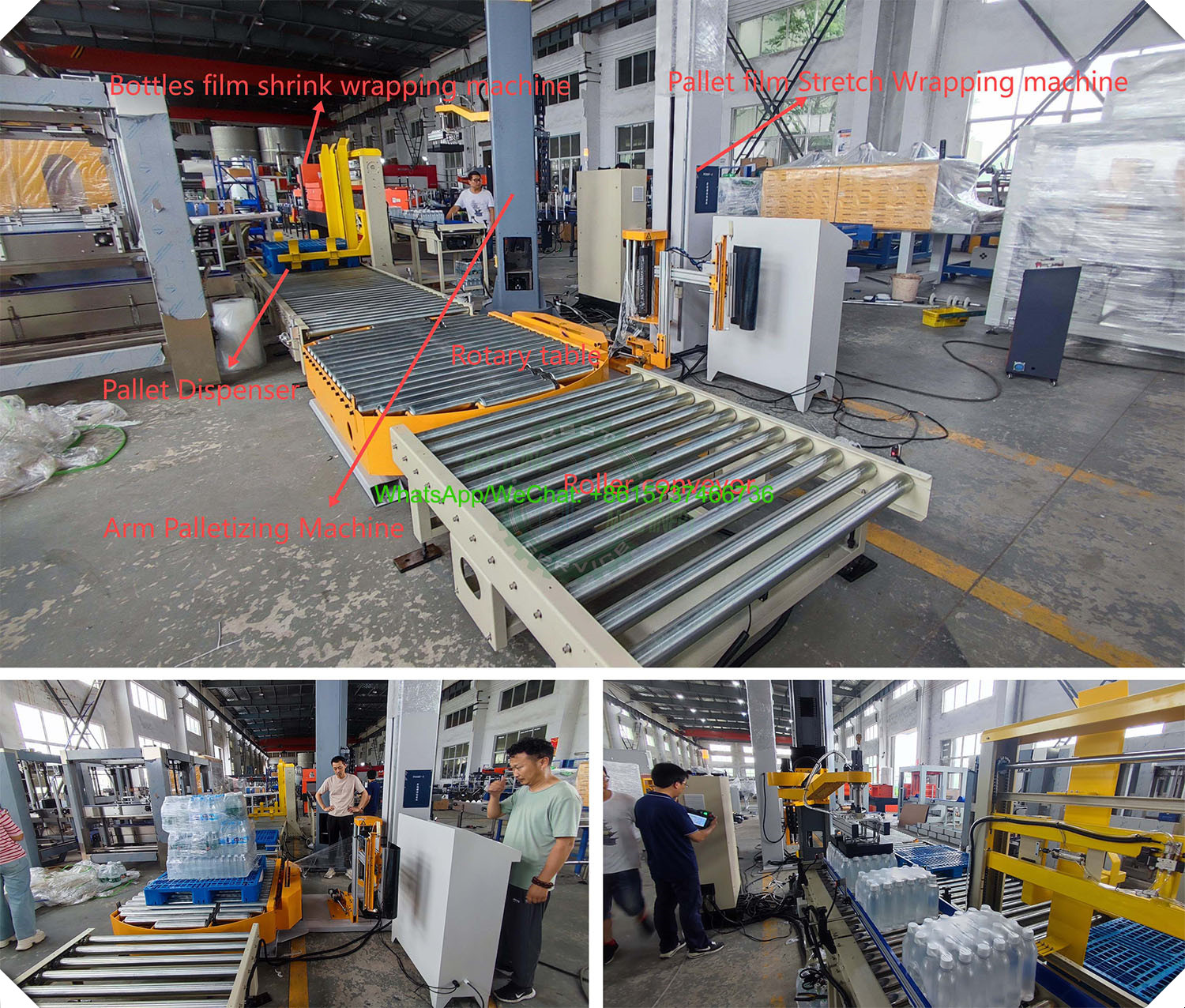
Please view the video on automatic bottles Palletizing system: https://youtu.be/nqvxTBCFBhE
Palletizer, Pallet Dispenser & Pallet Wrapper:
This integrated end-of-line automation system efficiently stacks, feeds, and secures packaged goods onto pallets, forming stable, transport-ready loads.
Palletizer
The palletizer automatically picks up film-wrapped bottle bundles and stacks them onto pallets in a pre-programmed pattern. We offer multiple types to suit different needs:
By Gripping Method: Models equipped with high-speed air-suction heads or versatile robotic arms.
By Structure: Compact column-type palletizers for smaller lines, and robust gantry-type palletizers for high-capacity operations requiring superior stability and load capacity.
Pallet Dispenser
This unit automatically supplies pallets to the palletizer, ensuring a continuous workflow. It handles the trays that form the base of the load. For operations requiring separator plates between layers, integrated solutions are available. Automation here significantly boosts efficiency and reduces labor costs compared to manual placement.
Pallet Wrapper
The wrapper stabilizes the palletized load by applying stretch film. Two main types ensure safe handling for all loads:
Turntable Wrappers: The pallet rotates for wrapping. Ideal for standard, stable loads.
Orbital (Swing-Arm) Wrappers: The film-dispensing arm rotates around a stationary pallet. Essential for very tall, top-heavy, or irregularly shaped loads where rotation might cause instability.
Integrated Workflow
The system operates seamlessly: the dispenser feeds a pallet, the palletizer builds the stack, and the wrapper then secures it, creating a unitized load ready for forklift transport. Photoelectric sensors ensure smooth transitions between each stage.