Yogurt Production Line
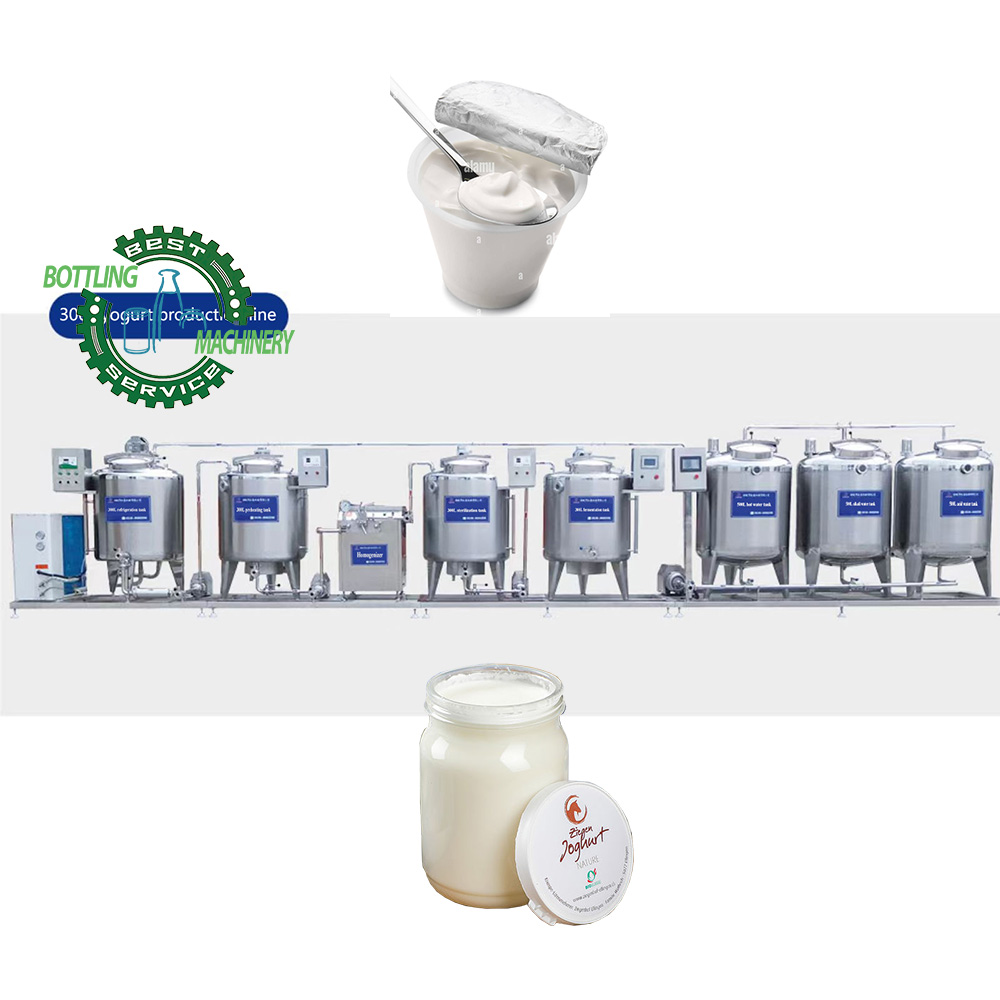 | Milk yogurt dairy production and filling lineWe offer complete dairy and plant-based milk processing solutions, including yogurt, milk, cheese, and soy milk production equipment. From fermentation and UHT lines to automatic cheese making machines, our systems support efficient, hygienic, and scalable production. |
We provide tailored production line configurations for a wide range of dairy products:
1. Core Product Categories
Pasteurized Milk
Yogurt (Liquid or Set/Solid)
Shelf-Stable Beverage Milk (e.g., UHT Milk)
Yogurt Beverage (Cultured Milk Drink)
Cheese
Pure Milk (Fresh/Raw Milk)
Fresh Cream
Different dairy products require specific processing equipment and layouts. To recommend the optimal solution, we typically ask:
Target Product: What do you want to produce?
Daily Capacity: How many liters per day (based on an 8-hour shift)?
Raw Material: Will you use milk powder or liquid fresh milk?
Output Speed: How many bottles/pouches per hour?
2. Product Overview
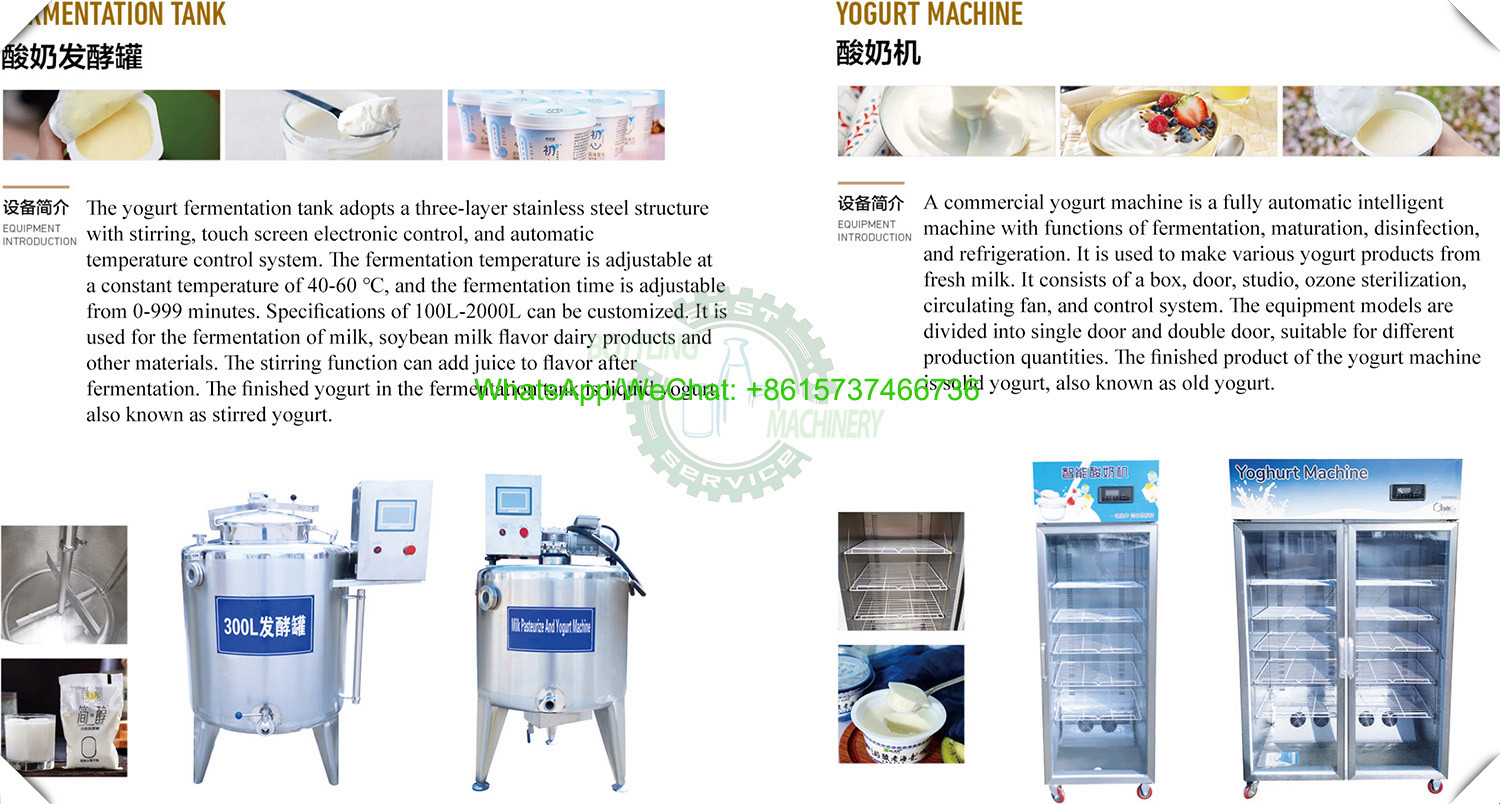
Yogurt: Produced by heating milk and fermenting it with cultures (e.g., lactic acid bacteria). This process creates a characteristic tangy flavor and thick texture, rich in probiotics and protein. Flavors, fruits, or grains can be added for variety.
Shelf-Stable Beverage Milk: Milk processed through high-temperature sterilization (like UHT), filling, and sealing. It can be stored long-term without refrigeration. Common packaging includes plastic bottles, cartons, and cans.
Yogurt Beverage: A drink made by fermenting milk and then adding fruit juices, syrups, or flavors. It offers a taste profile that is both tangy and sweet, broader than plain yogurt.
Cheese: A solid product made by coagulating milk with rennet and bacterial cultures. Varieties (hard, semi-hard, soft, blue) involve different steps like cutting, pressing, salting, and aging, resulting in diverse flavors and textures.
Pure Milk: Milk that undergoes minimal processing (filtration, sterilization, packaging) to preserve its natural flavor and nutritional profile. It can be consumed directly or used in cooking and other dairy production.
Fresh Cream: Made by separating, heating, and churning the milkfat layer. It is used in baking (cakes, desserts) and as a table condiment.
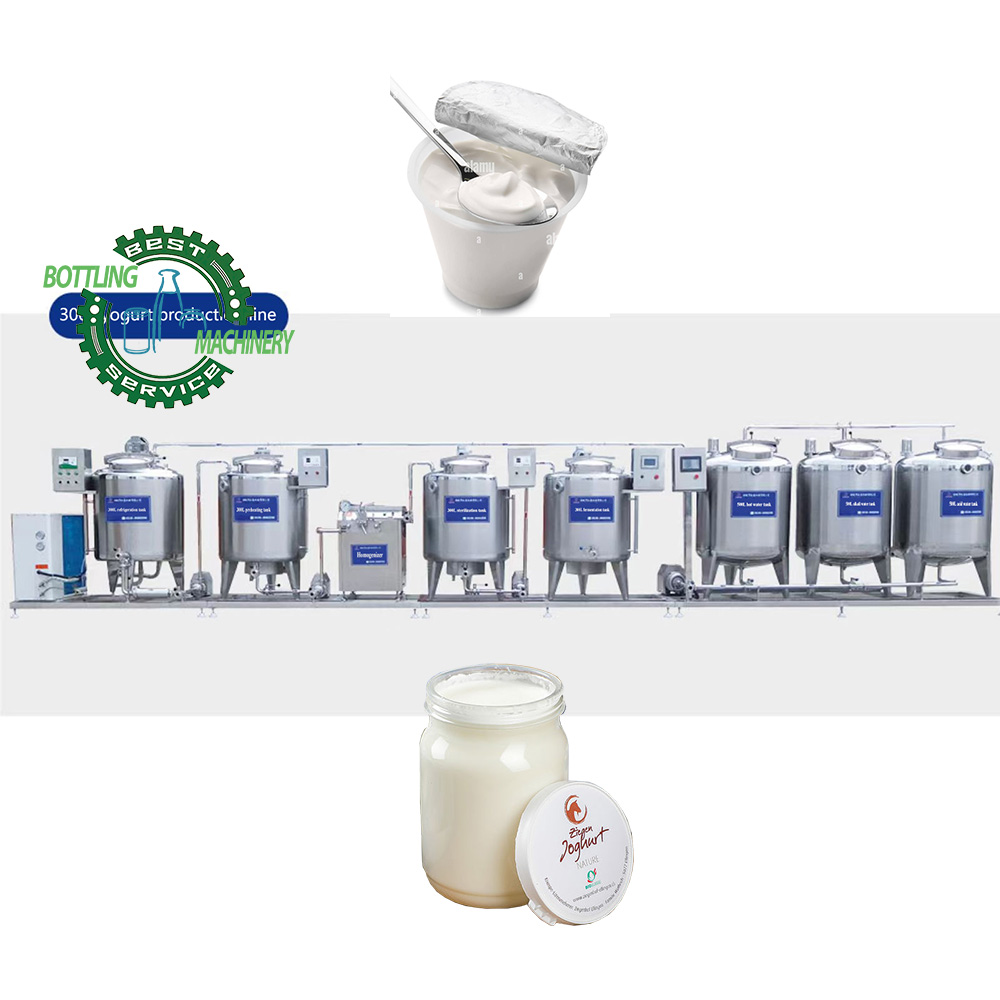
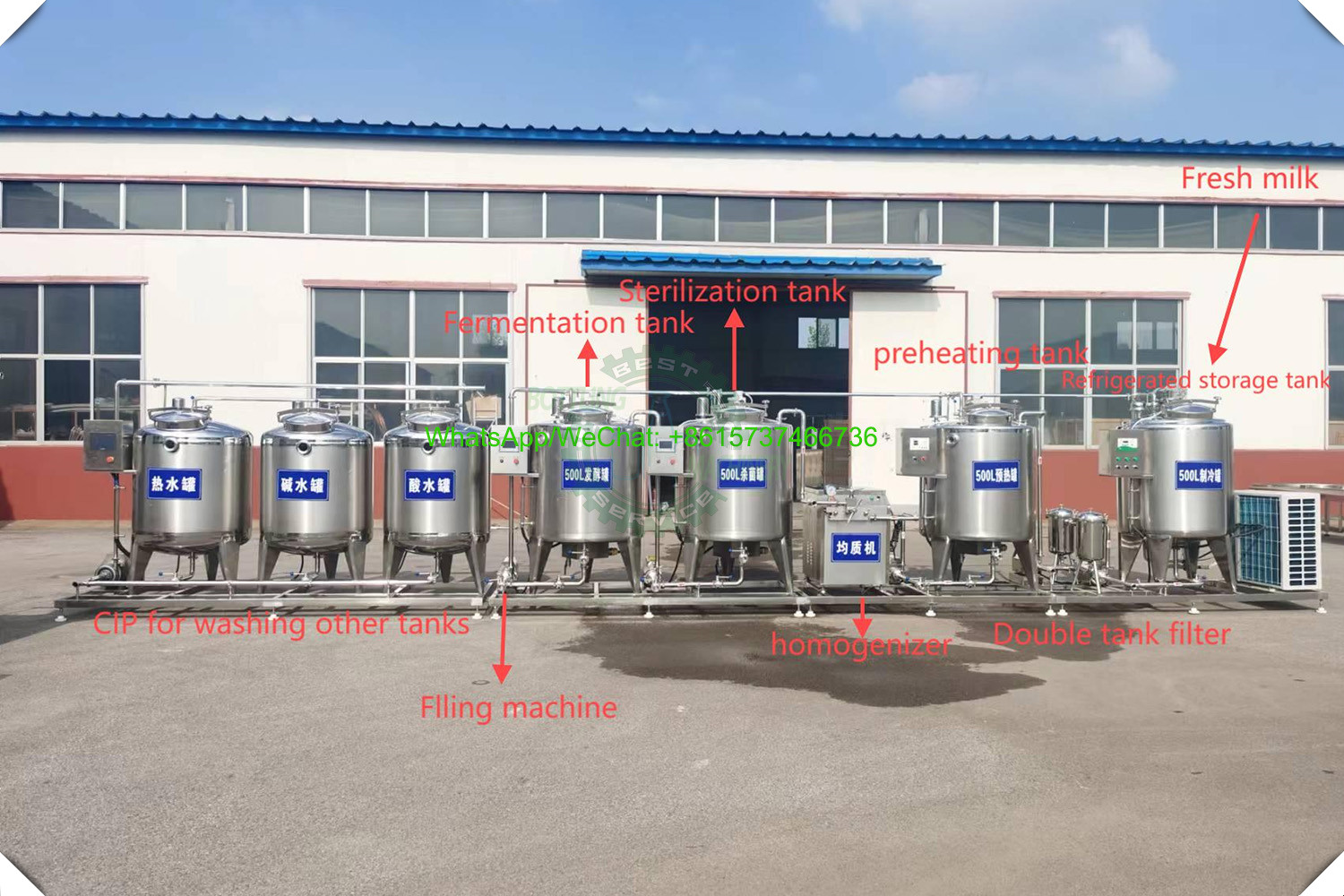 Yogurt Production Line
A standard yogurt production line typically follows these core steps to ensure consistent quality and efficient production:
Core Production Steps:Raw Material Preparation: Ingredients (such as milk, lactose, fruit bases) are precisely measured and pre-treated to meet formulation requirements.Sterilization & Homogenization: The mixture undergoes high-temperature sterilization to eliminate harmful microorganisms, followed by homogenization to ensure a uniform and stable consistency.Fermentation: A starter culture is added to the sterilized and homogenized base. Controlled fermentation under constant temperature produces lactic acid, forming the characteristic texture and flavor of yogurt.Cooling & Packaging: After fermentation, the product is rapidly cooled to the desired temperature. It then proceeds to automatic weighing, filling, labeling, and final packaging.Standard Line Configuration (for liquid fresh milk):
For operations using liquid fresh milk as the raw material, a complete processing line typically includes:
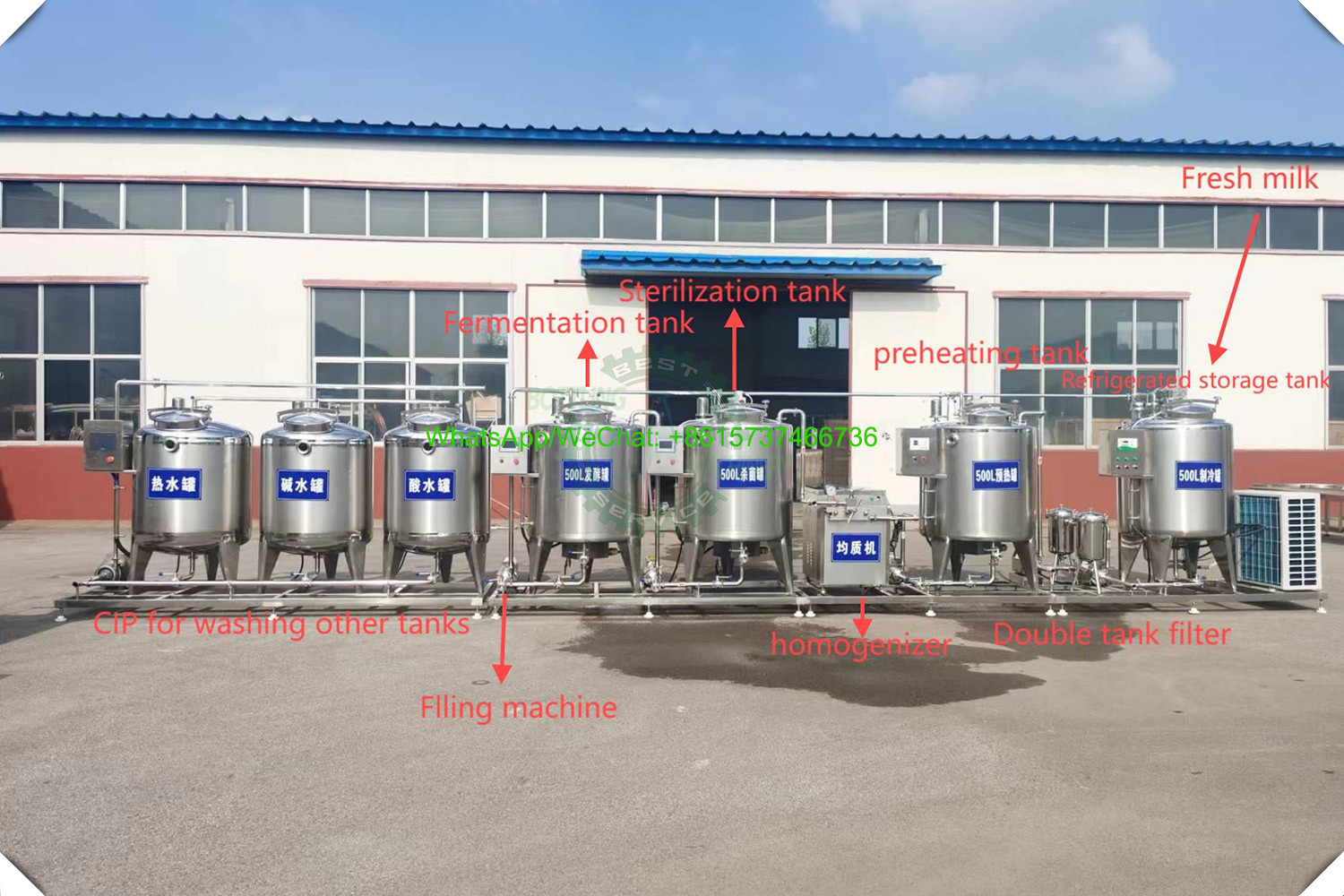
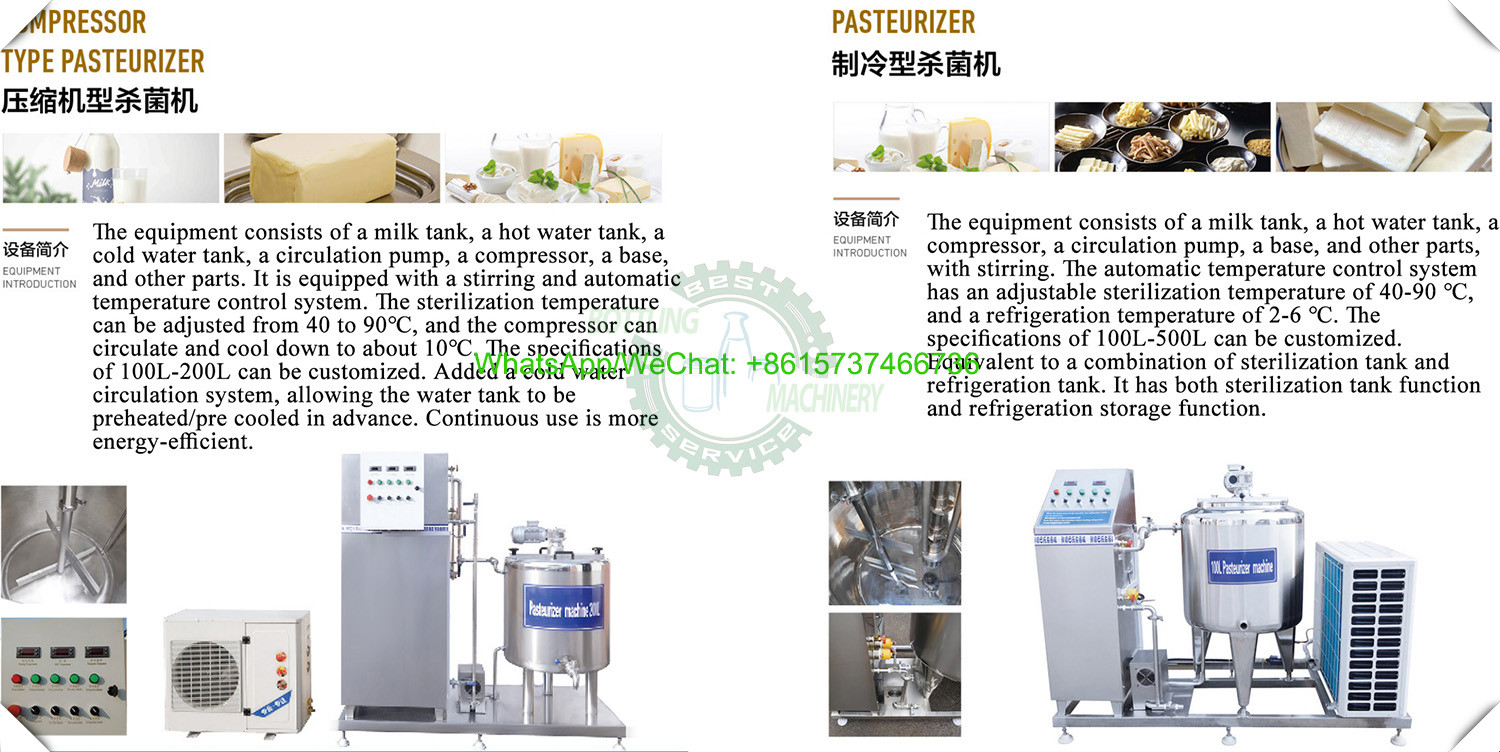
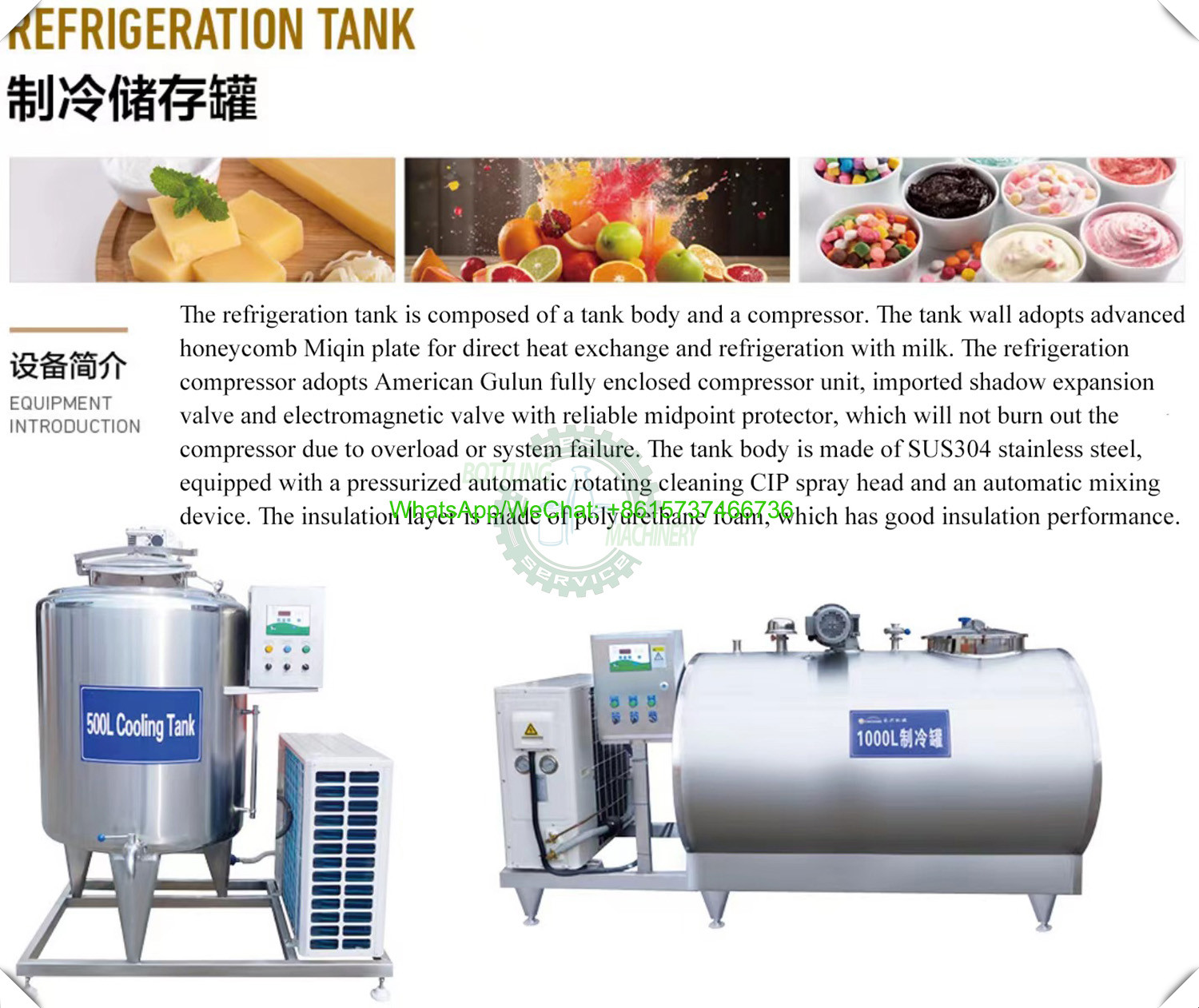
Fresh Milk → Refrigerated Storage / Buffer Tank → Dual Tank Filter → Pre-Heating Tank → Homogenizer → Sterilization Tank → Fermentation Tank → Filling Machine (with integrated CIP system).
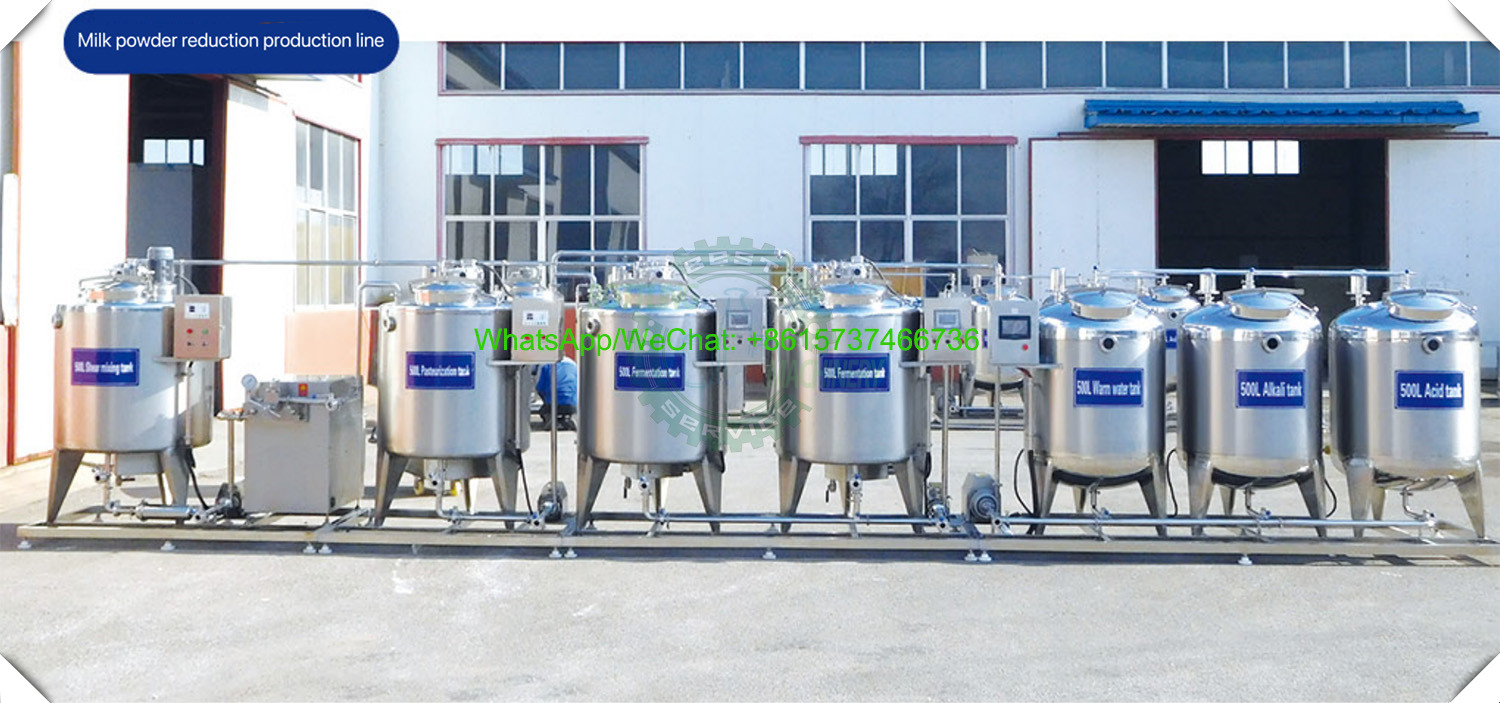
To provide an accurate quotation and equipment recommendation for your dairy production line, we typically require the following information:
I. Product & Production SpecificationsProduct Type: What are you producing? (e.g., Solid Yogurt or Liquid Yogurt)
Raw Materials: What are your primary ingredients?
Production Capacity: What is the target daily output for each product? Within how many hours must the sterilization process be completed?
Shelf Life Requirements: What is the required shelf life? This is critical for determining the processing method (e.g., high-temp vs. low-temp, standard vs. aseptic filling).
II. Production Process Parameters
Key Process Parameters: Please confirm sterilization temperature & time, cooling temperature, and (if applicable) fermentation temperature & time.
Reference Standard Processes:Pasteurized Milk: Buffering → Filtration → Milk Purification → Raw Milk Storage → Preheating → Homogenization → Pasteurization → Cooling → Filling.
Liquid Yogurt: Buffering → Filtration → Milk Purification → Raw Milk Storage → Sugar Melting/Blending → Preheating → Homogenization → Pasteurization → Fermentation → Cooling → Finished Product Storage → Filling.
Solid Yogurt: Buffering → Filtration → Milk Purification → Raw Milk Storage → Sugar Melting/Blending → Preheating → Homogenization → Pasteurization → Inoculation → Filling.Note: The final process will be customized based on your specific output, budget, and factory layout.
III. Packaging FormatPrimary Packaging: What is your intended final package? (Yogurt is commonly packed in cups; Pasteurized milk is often in bags/bottles, but cups are also an option.)
IV. Utilities & Factory ConditionsVoltage: What is your local voltage? Is it compatible with standard Chinese industrial voltage? If not, what are your specifications? (Note: Production line equipment requires three-phase power, and sometimes a dedicated transformer.)
Heating Method: Will you use electric heating or steam heating?
Yogurt Production Line: Standard Operation & Time Schedule(Example for Fresh Milk Raw Material)
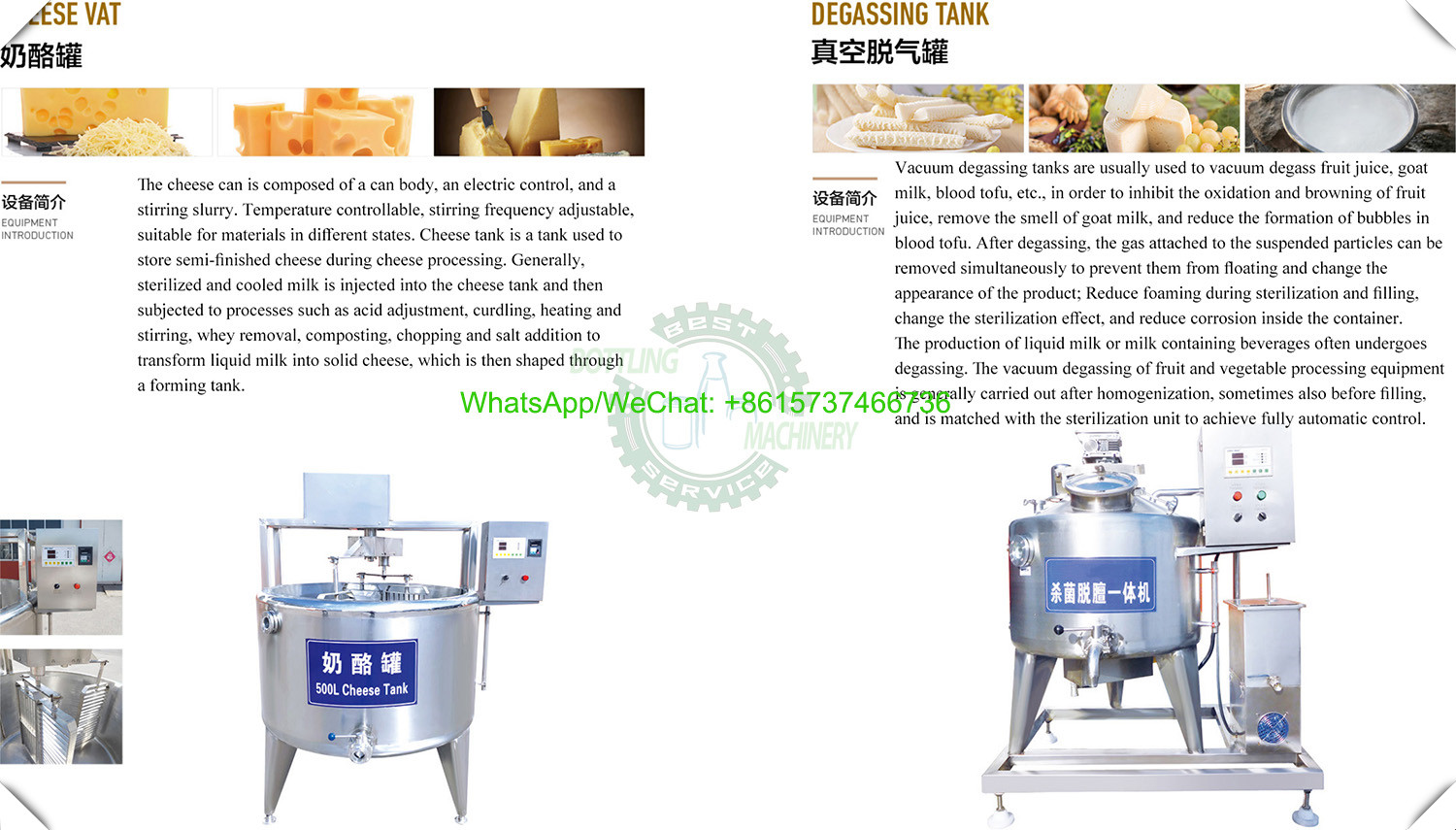
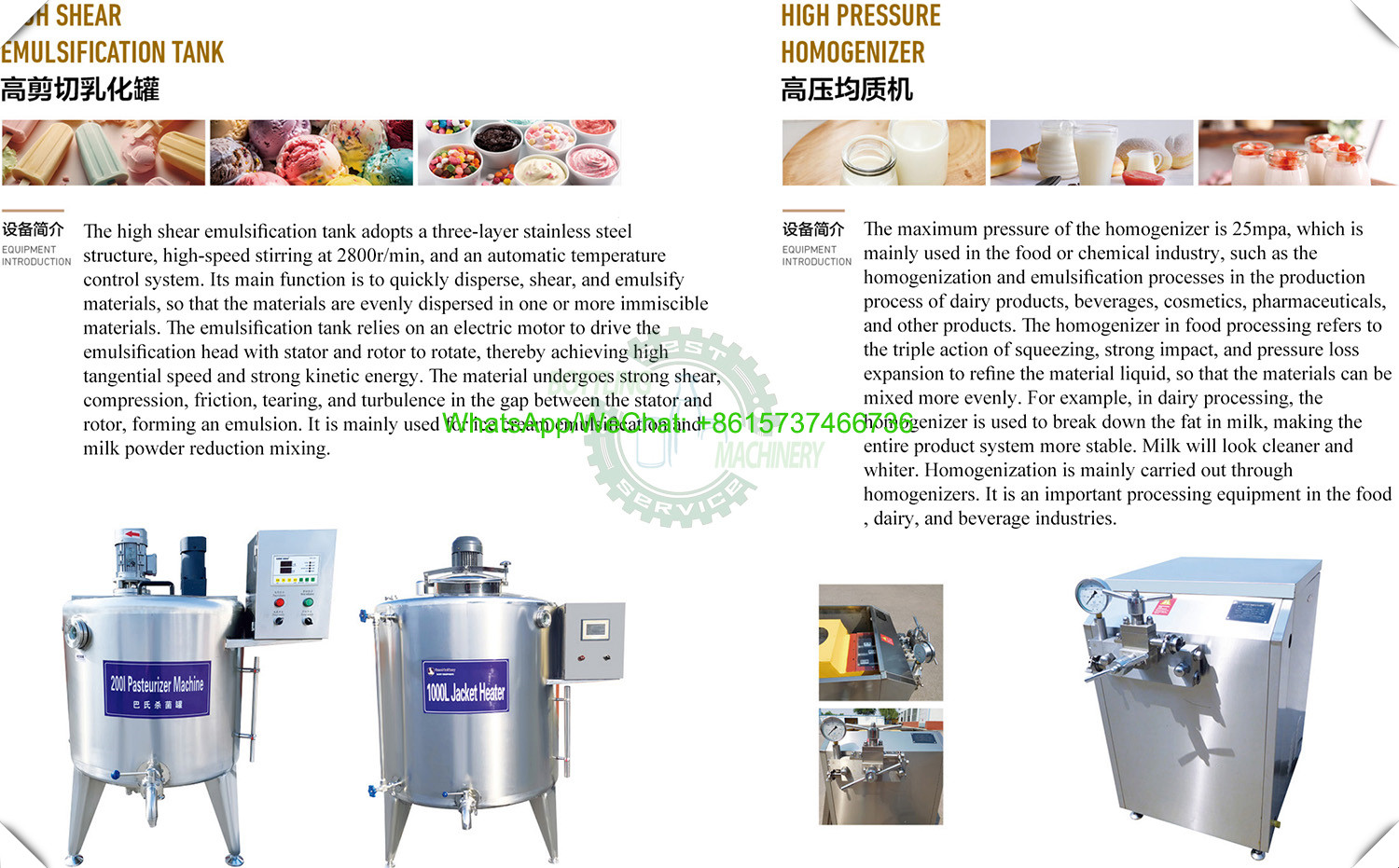
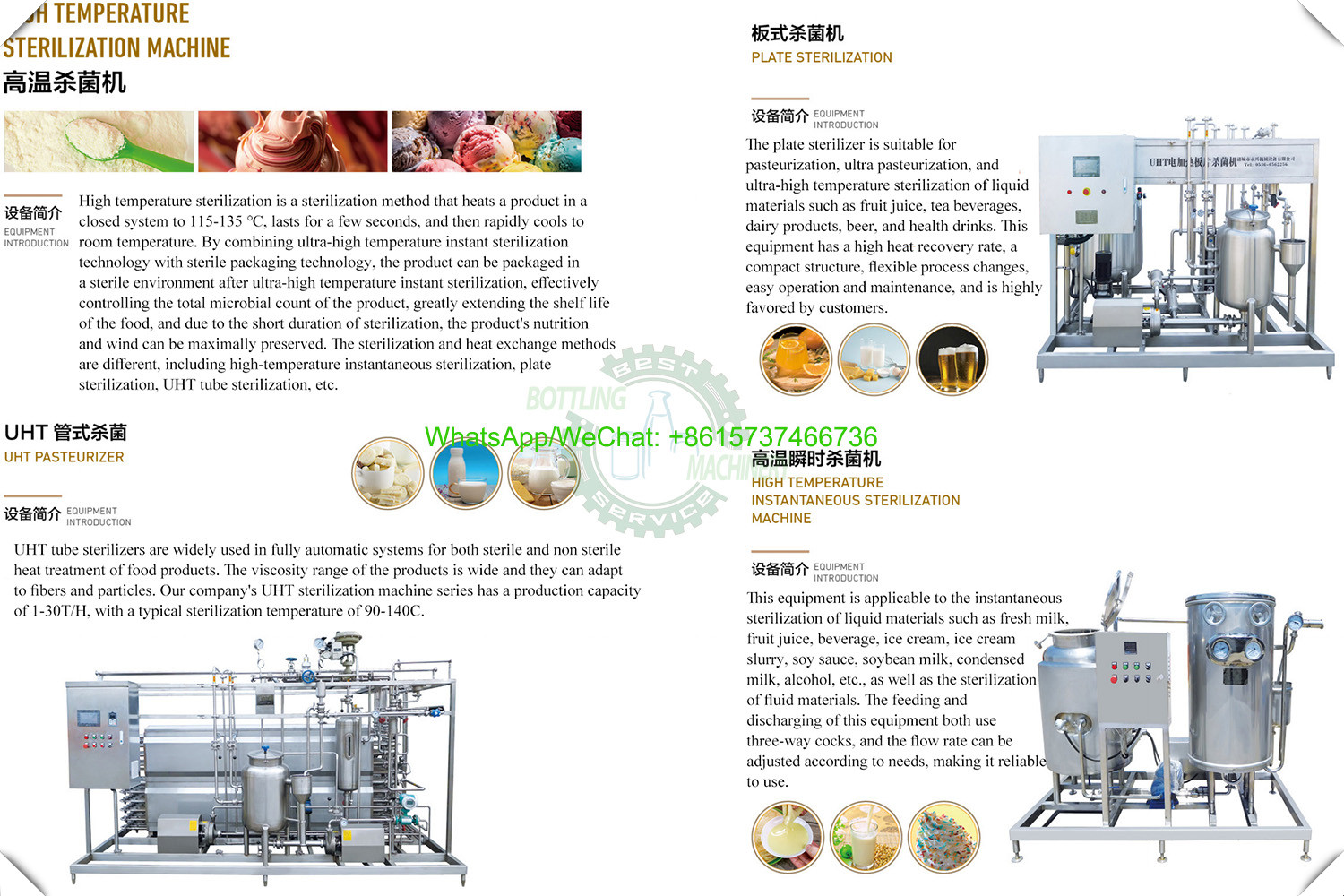
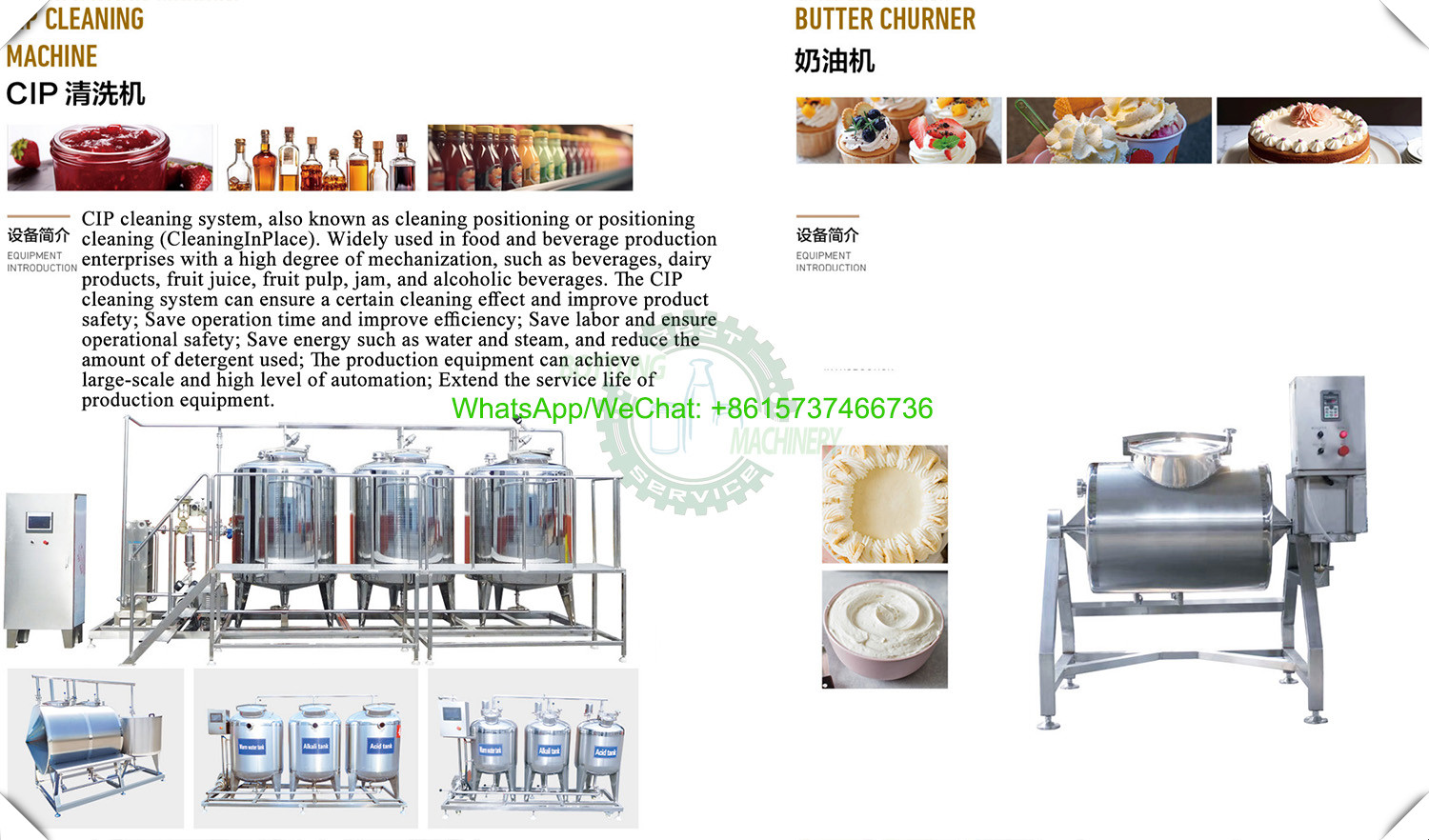
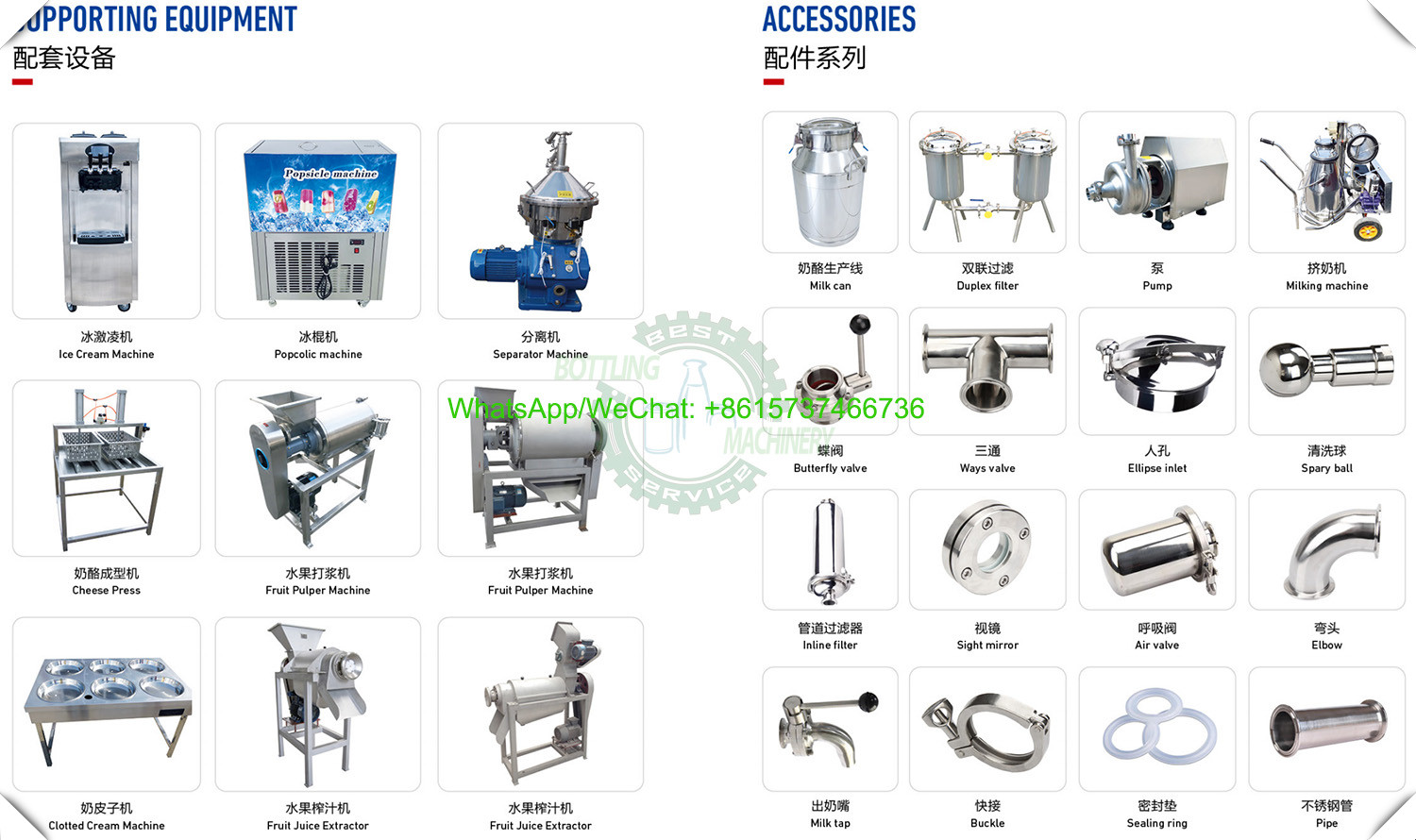
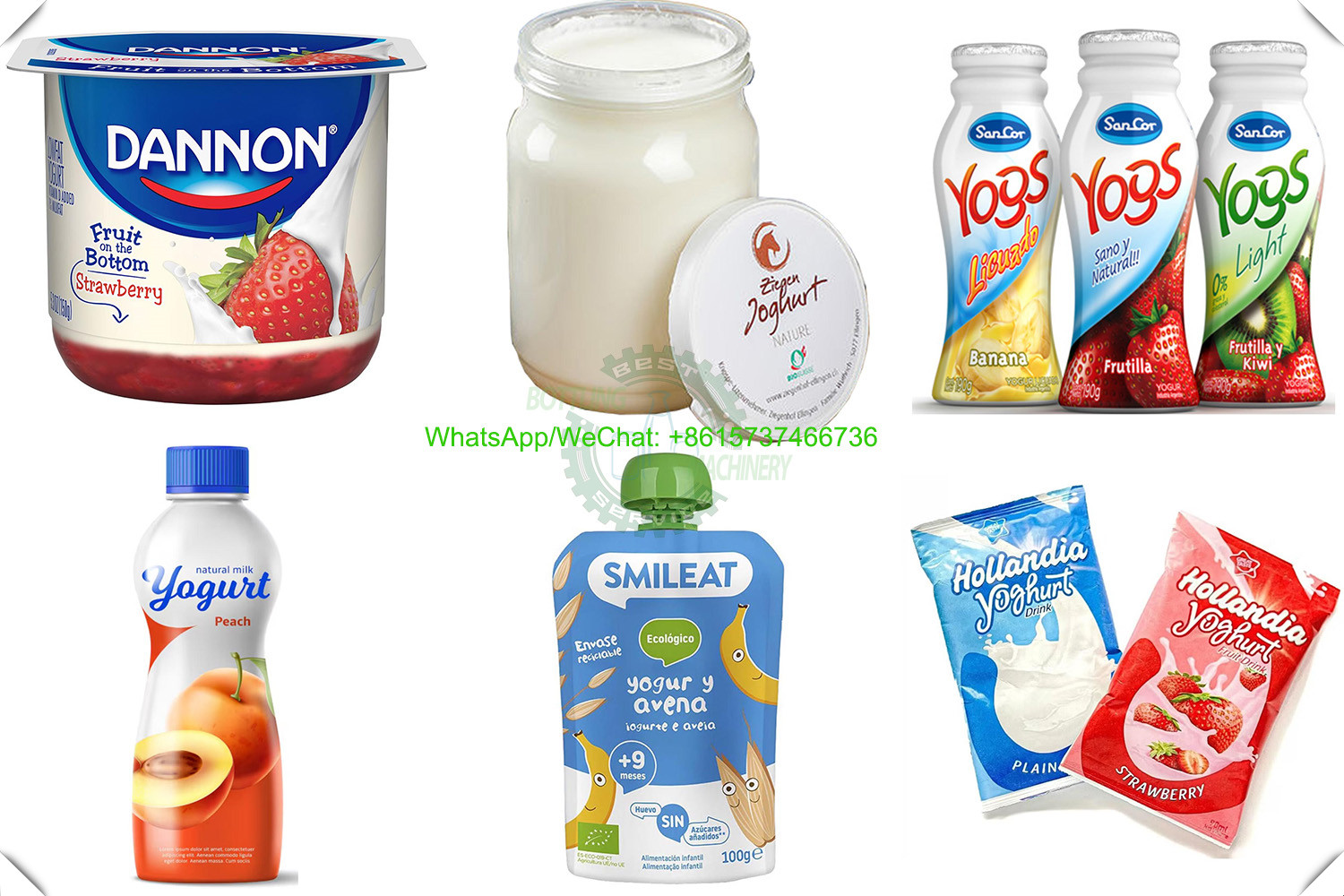
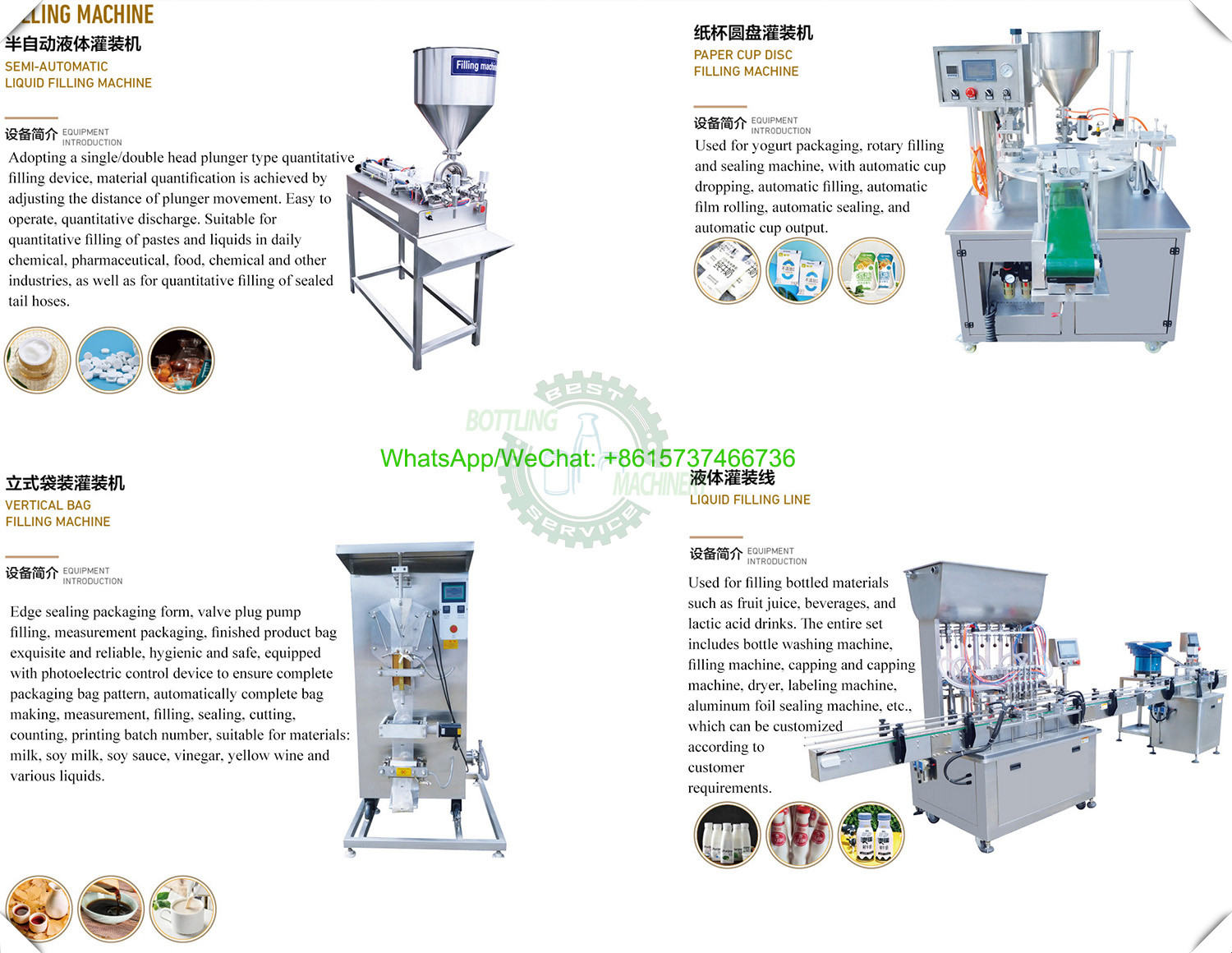
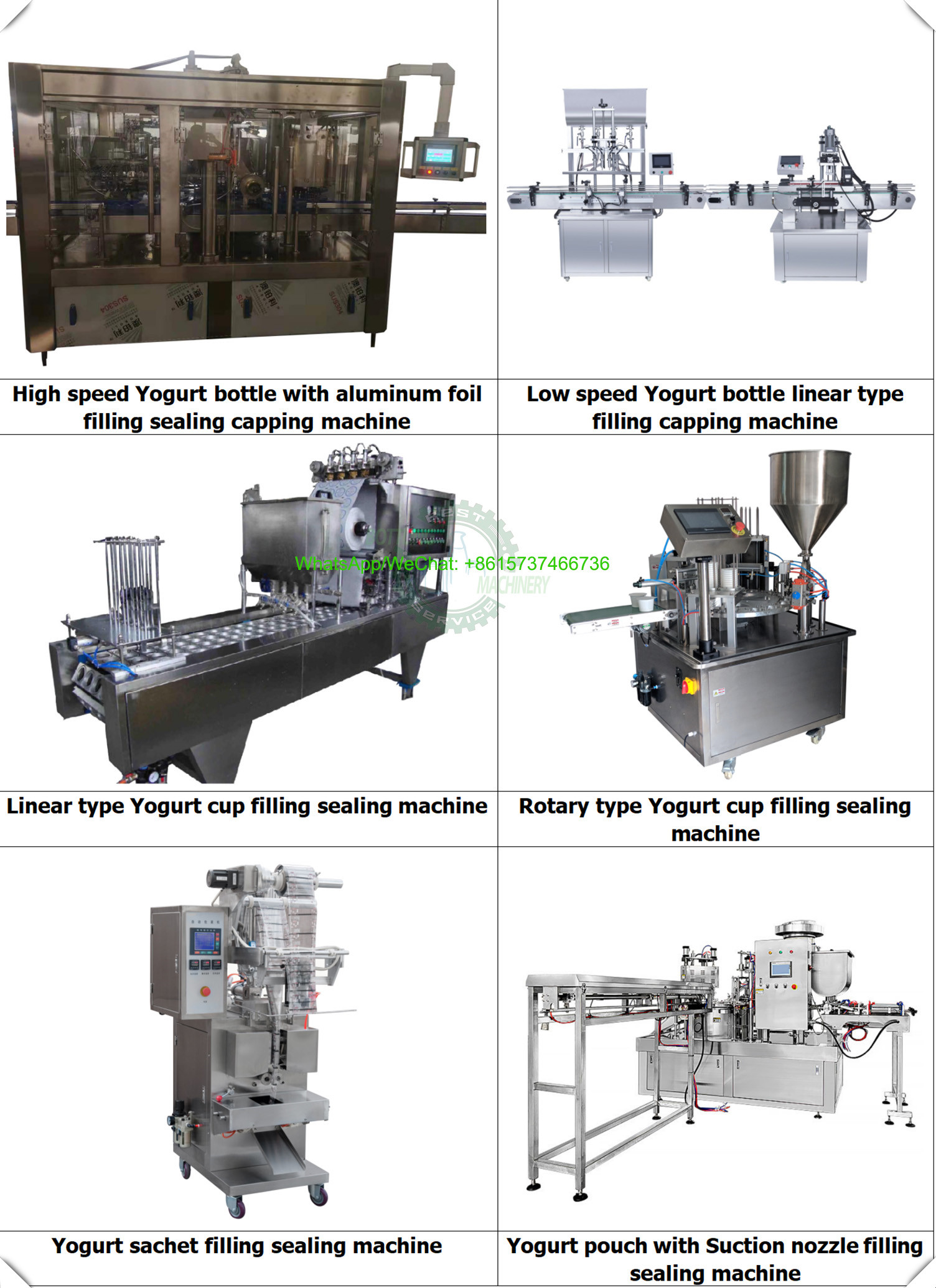
Different dairy products require specialized filling equipment to ensure quality, safety, and efficiency:
Milk: Requires a room-temperature filling machine or an aseptic filling machine. A complete sterilization process is essential to ensure product safety. The machine must be capable of filling various bottle and can types.
Yogurt: Equipment must consider functions like mixing/stirring and adding fruit granules. Some products require aseptic filling.
Milk Powder: A dedicated powder filling machine is needed, requiring high measurement accuracy and anti-caking performance.
Cheese: Specialized extrusion and filling equipment is necessary to form and fill cheese blocks or strips. An integrated cutting device can complete the entire process.
Juice Milk Beverage: A filling machine with mixing function is selected to blend juice and dairy ingredients evenly, requiring precise control of the ingredient ratio.
Packaging Types for Dairy Products
I. Cup Packaging
Material: Typically PP (polypropylene) or PS (polystyrene) cups, sealed with aluminum foil or plastic film.
Capacity: Small (80–500ml), suitable for yogurt, pudding, ready-to-drink milkshakes.
Seal & Shelf Life: Aluminum foil sealing extends shelf life (7–30 days refrigerated).
Convenience: Easy open-and-eat, ideal for single servings.
Cost: ~$0.04 – $0.21 per cup. Low production line investment, suitable for SMEs.
Applications: Short-shelf-life refrigerated products (yogurt, desserts). Supermarket/retail.
II. Glass Bottle Packaging
Material: Transparent or brown glass, with metal or plastic caps.
Capacity: 200–1000ml, common for traditional/high-end pasteurized milk.
Shelf Life: 5–15 days refrigerated. Excellent barrier properties preserve flavor.
Eco-Friendliness: Recyclable (requires recovery/cleaning system), low carbon footprint.
Cost: ~$0.29 – $0.71 per bottle (including deposit-return system). High initial line investment.
Applications: Premium fresh milk, custom dairy products. Local delivery, milk subscriptions.
Pros: 100% recyclable, premium feel, high consumer trust.
Cons: Heavy, fragile, high logistics cost, requires recycling system.
III. Plastic Bottle (PE/PET with Foil Seal)
Material: PE or PET bottle body, heat-sealed with aluminum foil.
Capacity: 250–1000ml, common for UHT milk and flavored milk
Shelf Life: 6–12 months at room temperature (UHT processed).
Barrier: Aluminum foil layer effectively blocks oxygen and light.
Cost: ~$0.11 – $0.29 per bottle (PET > PE). High-speed filling lines for large-scale production.
Applications: Long-shelf-life ambient milk, plant-based beverages. E-commerce, remote distribution.
Pros: Lightweight, shatter-resistant, suitable for long-distance transport.
Cons: Multi-layer materials are difficult to recycle; environmental pressure.
IV. Spout Pouch
Material: Multi-layer composite film (PET/AL/PE) with built-in spout.
Capacity: 200–1000ml, common for children's milk and fruit yogurt.
Portability: Direct drinking, no tools needed.
Shelf Life: 6–9 months at room temperature (requires UHT sterilization).
Cost: ~$0.14 – $0.43 per pouch (spout increases cost). Filling requires spout positioning system.
Applications: Children's dairy, sports drinks, fruit purees. Outdoors, schools, vending.
Pros: Portable, leak-proof, attractive to younger consumers.
Cons: Spout may affect seal integrity; composite film is hard to recycle.
V. Gable Top Carton
Material: Paper-based composite (cardboard + PE coating), gable-top design.
Capacity: 500–2000ml, common for fresh milk and juice.
Shelf Life: 7–14 days refrigerated. Consume quickly after opening.
Eco-Friendliness: Recyclable, but PE coating complicates processing.
Cost: ~$0.21 – $0.57 per carton (printed versions cost more). Requires specific filling equipment.
Applications: Pasteurized fresh milk, premium refrigerated yogurt. Supermarket chillers.
Pros: Good environmental image, high shelf visibility.
Cons: Hard to preserve after opening; requires cold chain.
VI. Aseptic Soft Packaging (Tetra Pak-style)
Material: 6-layer composite (cardboard + aluminum foil + PE), patented technology.
Capacity: 250–1000ml, mainstream for ambient milk and soy milk.
Shelf Life: 6–12 months at room temperature, no preservatives.
Barrier: Aluminum foil completely blocks light and oxygen; optimal preservation.
Cost: ~$0.07 – $0.17 per pack (volume-dependent; high licensing fees). High line investment, requires aseptic environment.
Applications: UHT milk, dairy beverages. Global distribution, emergency supply.
Pros: Ultra-long shelf life, suitable for any climate.
Cons: Aluminum-plastic composite is hard to recycle; high patent dependency.
Packaging Comparison Guide (USD)